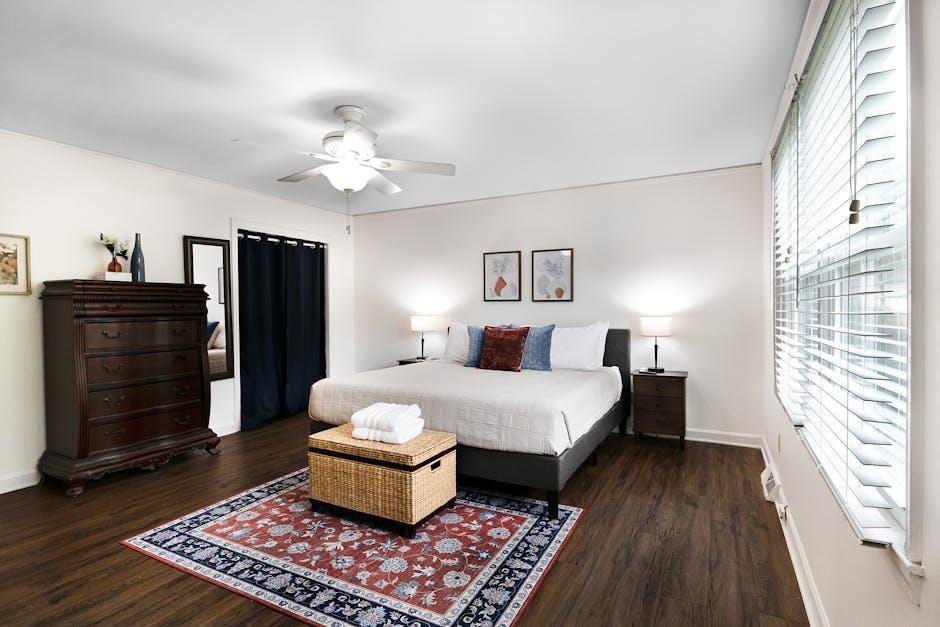

Luminous Ideas for Compact Spaces: 7 Layered Lighting Tricks for Tiny Living Rooms
In teh world of interior design, lighting is frequently enough the unsung hero, especially when it comes to maximizing the potential of small living spaces. A tiny living room doesn’t have to meen compromising on style or comfort; wiht the right lighting techniques, you can create an inviting atmosphere that feels airy and expansive. Enter the art of layered lighting—a dynamic approach that combines ambient, task, and accent lighting to transform your space into a cozy haven. Whether you’re navigating a snug apartment or a quaint cottage, these seven layered lighting tricks will help you illuminate your tiny living room, highlighting its charm while enhancing functionality. Join us as we explore how thoughtful lighting design can elevate not only your space but your mood as well, making every square foot feel just right.
Maximizing Natural Light with Strategic Placement
To make the most of available daylight,consider the layout of your tiny living room carefully. Position larger furniture pieces away from windows to avoid obstructing incoming sunlight. opt for low-profile sofas or chairs that allow light to filter through without hindrance. Mirrors can also be strategically placed across from windows to reflect natural light deeper into the room, effectively doubling the brightness and making the space feel more expansive.
Additionally, the use of light, airy window treatments plays a crucial role in enhancing the flow of natural light. Sheer curtains or blinds that can be drawn fully open not only let in maximum light but also create a sense of openness. Here are some useful tips to consider for maximizing daylight:
- Choose light-colored walls to reflect light.
- Install vertical shelves near windows to avoid blocking light.
- Use glass furniture, like a coffee table, for an unobtrusive effect.

Layering Light Sources for a Cozy Ambiance
Creating a welcoming environment in a small living room is all about the right blend of light sources. Start with overhead lighting, such as a pendant light or an adjustable ceiling fixture, which serves as the foundation of your room’s illumination. However, avoid relying solely on this type of light, as it can be too harsh for intimate gatherings. Instead, add a mix of table lamps and floor lamps in varying heights to introduce layers. Placing a table lamp on a side table alongside your couch can provide soft, localized lighting for reading or conversation, while a tall floor lamp can cast a warm glow across a corner, enhancing the feeling of openness without overpowering the space.
Complement these primary light sources with decorative accent lighting. Consider using wall sconces to illuminate artwork or architectural features, adding character even in tight spaces. String lights can also work wonders; drape them across a bookshelf or along the perimeter of the room to create a magical ambiance. The key is to ensure that each layer contributes to a harmonious environment that can be adjusted for different moods. To visualize this concept, refer to the table below, showcasing various light source types and their ideal uses:
| Light Source | Purpose | Best Placement |
|---|---|---|
| Overhead Lighting | Main illumination | Centered on the ceiling |
| Table lamps | Task lighting | Beside seating areas |
| Floor Lamps | Ambient lighting | In corners or behind furniture |
| Wall Sconces | Highlight features | Near artwork or mirrors |
| String Lights | Create atmosphere | Draped or hung decoratively |
Selecting the Right Fixtures to Optimize Space
To make the most of a tiny living room, choosing the right fixtures is essential. Opt for multi-functional lighting solutions that serve various purposes without sacrificing style. For example, consider fixtures that combine ambient, task, and accent lighting in one. This can include floor lamps with built-in shelves or hanging pendant lights that double as art pieces. Always aim for scalable designs that don’t overwhelm your space; sleek or minimalist styles help create an illusion of openness while still providing adequate illumination.
Another key consideration is the height and placement of your lighting fixtures.Low-profile ceiling lights or wall-mounted sconces can offer good coverage without taking up precious floor space. You can also use adjustable track lighting to highlight specific areas,such as a reading nook or artwork,effectively drawing the eye and creating visual interest. Here’s a simple table to help you visualize suitable fixtures for maximizing space:
| Fixture Type | Benefits | Space Efficiency |
|---|---|---|
| Wall Sconces | Direct light; adds character | Mounted on walls, frees up floorspace |
| Pendant Lights | Stylish; provides focused illumination | Hang lower without crowding |
| Multi-Functional Lamps | Combine storage and lighting | Maximizes use of corners |

Utilizing Color and Reflective Surfaces for Brightness
Harnessing the power of color can dramatically alter the perception of your living space, especially in a small room. Opt for light, airy shades like soft whites, pastels, or even light grays for walls and larger furniture pieces. These hues reflect natural light, creating a bright and open atmosphere that can make the space feel larger. When incorporating colors, consider adding subtle pops through accessories such as cushions, throws, or artwork. This approach injects character while maintaining a fresh backdrop, ensuring that the room remains vibrant and inviting without feeling overcrowded.
In addition to color, the strategic use of reflective surfaces can enhance brightness substantially. Mirrors are a classic choice, but don’t shy away from incorporating other reflective materials such as glossy finishes on furniture or metallic decor elements. Create a dazzling effect by placing mirrors opposite windows to bounce light throughout the room or utilizing a reflective coffee table that adds elegance while visually expanding the space.To take it a step further, consider adding light-colored curtains or sheers that allow natural light to filter in while maintaining privacy, ensuring your living room stays bright and welcoming.
Future Outlook
As we wrap up our exploration of the seven layered lighting tricks for tiny living rooms, it’s clear that effective lighting can transform even the coziest of spaces into a haven of comfort and style. By thoughtfully combining ambient, task, and accent lighting, you can create a dynamic atmosphere that enhances your room’s best features while maintaining a sense of openness. Remember, the key lies in balance and versatility; each layer of light serves a purpose, whether it’s illuminating your favorite reading nook or highlighting cherished decor.
As you embark on your lighting journey, don’t hesitate to experiment with different fixtures and placements. Your living room is a canvas—let the light paint it beautifully. Whether you prefer warm and inviting or bright and airy, the right combinations can bring your small space to life in ways you’ve never imagined. So turn on those lights, and let your tiny living room shine in all its layered glory. Happy decorating!