
Traffic Flow Tricks for Compact Rooms: Maximizing Space and Movement
In the world of interior design, where every square foot counts, creating a harmonious living habitat means more than just selecting stylish furnishings and color palettes. In compact rooms, the flow of movement is paramount, ensuring that spaces not only look appealing but also function seamlessly for daily routines. Whether you’re navigating a small studio apartment or a cozy den, understanding the dynamics of traffic flow can dramatically enhance the usability and comfort of your surroundings. In this article, we explore innovative tricks and thoughtful strategies to optimize traffic patterns in limited spaces, empowering you to transform even the tiniest room into a sanctuary of efficiency and ease. Say goodbye to cramped quarters and hello to a well-orchestrated home where every step feels effortless.
Maximizing Space with Smart Furniture Arrangements
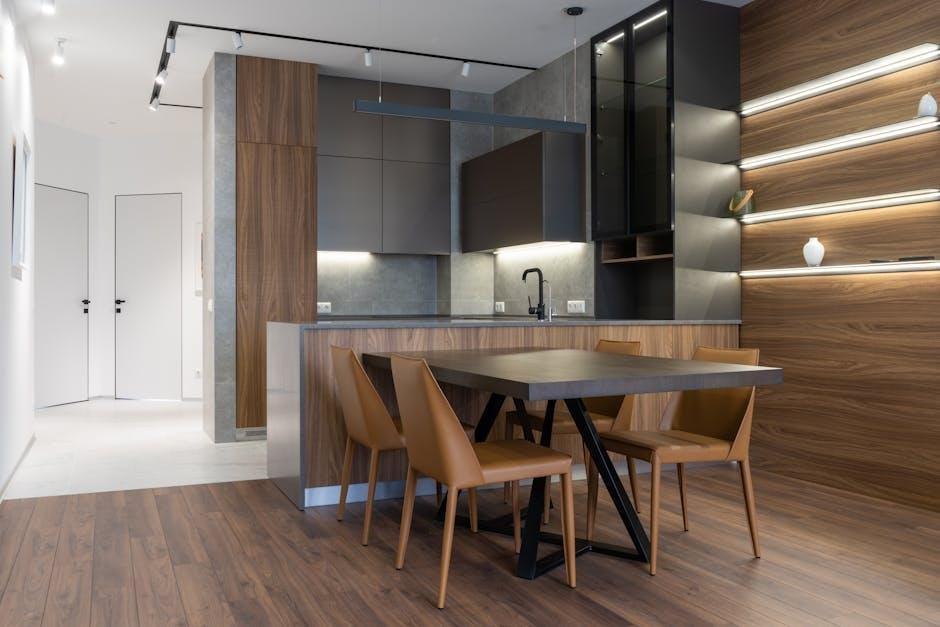
Creating a functional layout in compact rooms hinges on intuitive furniture arrangements that leverage every available inch. Consider implementing multipurpose furniture such as a sofa bed or an extendable dining table. These pieces not only save space but also offer versatility for diffrent occasions. To enhance accessibility, position frequently used items within easy reach while maintaining a clear pathway. establishing a natural flow can be achieved thru the following strategies:
- Divide Spaces: Use rugs or furniture placement to define distinct areas.
- Prioritize Traffic Paths: Ensure clear lines of movement between furniture pieces.
- Scale Down Proportions: Opt for smaller furnishings that fit comfortably without overcrowding.
Along with thoughtful positioning,consider creating vertical space solutions to further maximize your room’s potential.Wall-mounted shelves can draw the eye upward, while also freeing up floor space for effective circulation. To visualize your arrangement, a simple table can definitely help outline ideal dimensions and positions:
| Furniture Type | Recommended position | Impact on Flow |
|---|---|---|
| Sofa | Against the longest wall | Creates an open space in the center |
| Coffee Table | centered in front of the sofa | Encourages conversation, while leaving room to walk around |
| Bookshelves | On walls, above eye level | Utilizes vertical space without obstructing pathways |

Navigating Pathways for Seamless Movement
Creating an environment that allows for seamless movement requires thoughtful planning, especially in compact rooms. One effective approach is to de-clutter surfaces and utilize vertical space. By installing shelves or wall-mounted organizers, you free up floor space, allowing for smoother navigation. Additionally, consider multi-functional furniture such as ottomans that double as storage or a coffee table that can expand for guests. This not only reduces clutter but also enhances the functionality of your space.
Another strategy involves defining clear pathways through your room. Establishing a focal point can guide the layout and flow, ensuring that furniture arrangements do not hinder movement. You might also experiment with area rugs to visually separate spaces while maintaining a cohesive design. Make use of clear materials, like glass or acrylic, for furniture pieces; this helps create a sense of openness while keeping essential functions in place. By implementing these simple tricks, you can transform compact spaces into well-organized and inviting areas conducive to free movement.

Utilizing Multi-Functional Pieces for Efficiency
In compact rooms where every inch matters, adopting multi-functional furniture can drastically enhance both space and efficiency. Consider investing in a sofa bed that seamlessly transitions from daytime lounging to nighttime sleeping. This clever design not only saves space but also eliminates the need for a separate guest room. Folding tables can serve as dining areas and work desks, adjusting to your needs throughout the day. Some innovative storage ottomans even serve as seating, while cleverly concealing items like blankets, magazines, or games.
When designing your space,look for pieces that incorporate multiple uses without sacrificing style. Here are a few recommendations to keep in mind:
- murphy Beds: Effortlessly tuck away at night, freeing up floor space.
- coffee Tables with Storage: Hold your books and remotes without cluttering your living area.
- Expandable Dining Tables: Adjust from a cozy family meal to a feast for friends in seconds.
- Corner Shelves: Utilize vertical space while displaying decor items.
By choosing items that take on more than one role, you not only create an efficient layout but also ensure that your room remains functional without feeling overcrowded. Keep in mind the flow of movement when arranging these pieces; a well-placed item can invite ease of access and enrich the overall atmosphere of your compact space.
Incorporating Visual Elements to Enhance perception of Depth
To create an illusion of greater space in compact rooms, the strategic use of visual elements can transform how we perceive depth. Consider incorporating layered textures and contrasting colors to draw the eye outward,guiding movement through the space. As an example, using a combination of light and dark shades can create a sense of dimension. When arranging furniture, opt for transparent materials like glass or acrylic, which allow light to pass through and maintain an open feel. Additional techniques include:
- Mirrored surfaces: Reflective surfaces bounce light around, enhancing brightness and perceived depth.
- Vertical lines: Use striped wallpaper or tall bookshelves to draw the eye upwards.
- Layered lighting: Implement multiple sources of light (e.g.,sconces,table lamps) to add warmth and dimension.
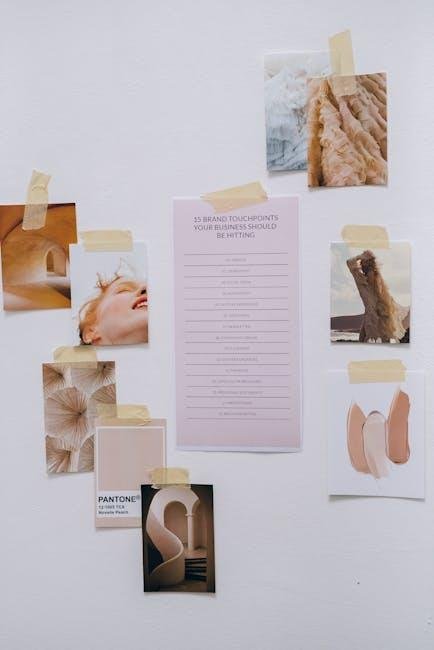
Another effective method to enhance the perception of space is through the clever use of artwork and photographs. By selecting pieces that represent expansive landscapes or serene seascapes, you can create a visual escape within your limited surroundings. When positioning art, consider placing larger pieces at eye level to command attention, while smaller works can be arranged in groups. Additionally, incorporating a visual balance through symmetry can foster a sense of order, making the space feel cohesive. A simple table can outline some key elements to consider:
| Element | Purpose |
|---|---|
| Mirrors | Enhance light and create reflections |
| Vertical Lines | draw the eye upward, creating height |
| Artworks | Provide visual interest and a sense of escape |
Final Thoughts
As we conclude our exploration of traffic flow tricks for compact rooms, it’s clear that thoughtful design can transform even the tiniest spaces into harmony hubs of movement and functionality. Whether you’re re-arranging a living room, optimizing a workspace, or creating a cozy nook, prioritizing flow can make a world of difference. Remember, the key lies in balancing aesthetics with practicality — curating pathways that invite exploration while ensuring comfort and convenience. Armed with these strategies, you can craft compact areas that feel spacious and inviting.So go ahead and embrace the art of clever design; your small spaces are ready for a grand transformation!