Tuesday, December 16, 2025
-3.6 C
New York

Expand Your Room Visually with the Right Area Rug

Choosing the right area rug can do wonders for making a room feel larger and more inviting. It’s not just a decor piece—it’s a smart design tool that transforms your space. Here’s how to select and arrange a rug to visually expand any room.

1. Choose a Light Shade

Light hues are essential for creating the illusion of a more spacious room. Soft tones—such as ivory, cream, beige, and pale pastels—reflect light effectively, brightening your space and fostering an airier feel . These colors seamlessly blend with walls and furniture, preventing visual breaks and enhancing perceived square footage.


2. Opt for a Large Rug

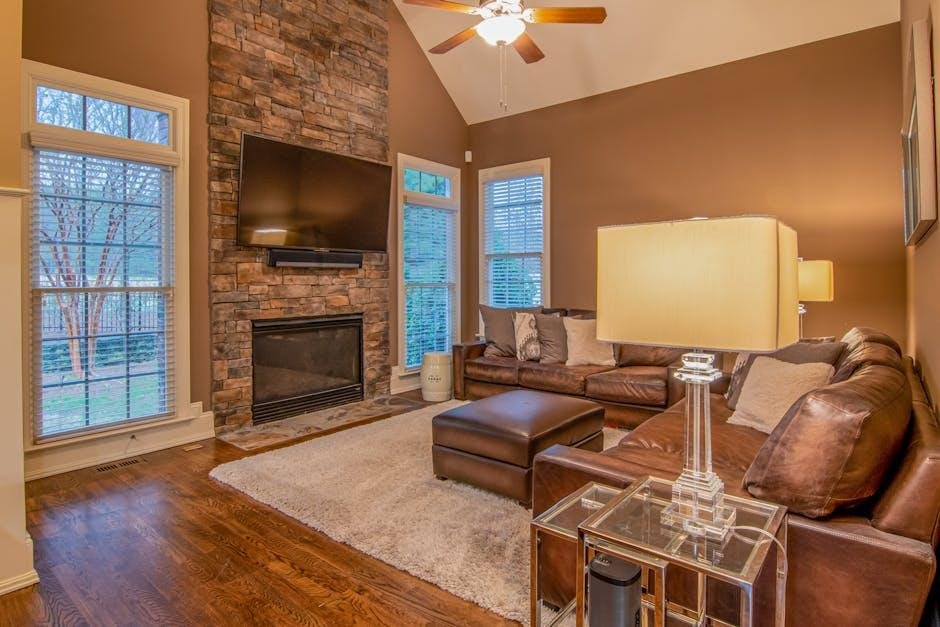
Intuition might suggest smaller rugs in compact rooms, but the opposite holds true. A larger rug that supports your furniture—ideally with the front legs of sofas and chairs on it—creates a sense of unity and flow . It minimizes visual fragmentation and expands the visual field, giving the impression of more floor space.


3. Stick with Simple Patterns

Busy designs can quickly overwhelm a small area. Instead, choose rugs with minimalistic, subtle patterns: soft geometric shapes, fine stripes, tonal gradients, or delicate textures . These features add visual interest without cluttering your view. Simple patterns offer sophistication, not chaos.


4. Use Lines and Geometry to Your Advantage

Patterned lines can cleverly trick the eye. A rug adorned with stripes can lengthen or widen a space depending on the stripe orientation—horizontal stripes across the room widen it, while lengthwise lines draw the eye forward and enhance depth . Subtle geometric patterns also break up flat areas while keeping a cohesive look.

5. Embrace Low-Pile and Flat-Weave Textures

Thick, plush shag rugs, while cozy, can visually shrink a room. A lean, low-pile or flat-weave rug offers visual continuity and practicality. These styles maintain a sleek appearance and highlight the room’s layout without overpowering it . They’re also easier to clean and ideal for homes with pets or children.


6. Define Zones in Open or Multitask Spaces

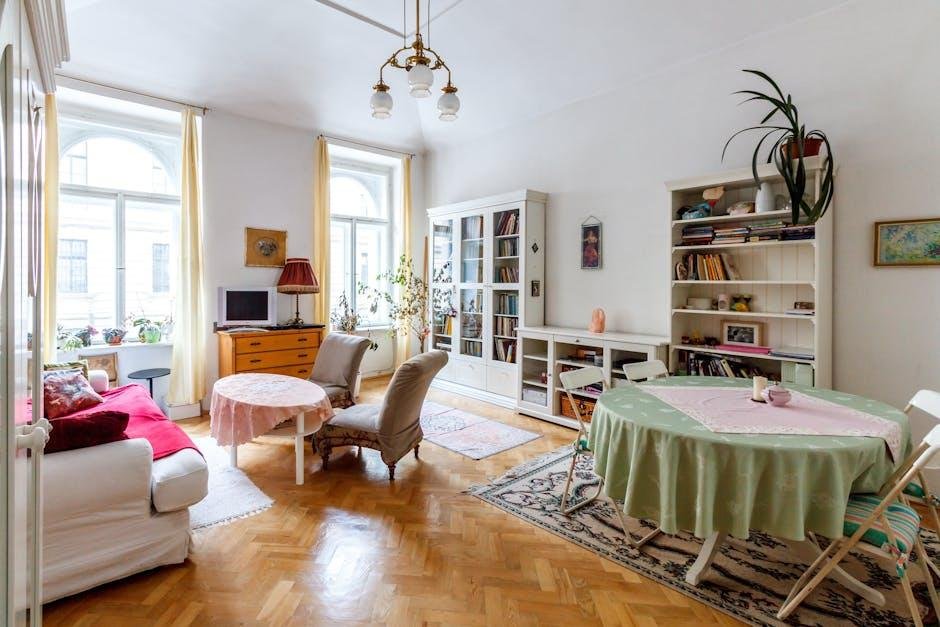
In open-plan layouts, rugs serve a dual purpose: they divide functional zones while maintaining a unified design. For example, place one rug under a living area and another beneath a dining table or reading nook. Keep color palettes and textures consistent across rugs to preserve harmony . This method visually “rooms” your open space.


7. Experiment with Rug Shapes and Placement

Shapes like circles and diagonals disrupt angular rooms, offering a playful, spacious feel. Round rugs soften corners and can highlight a seating area or reading corner . Likewise, placing a rectangular rug diagonally can trick the eye into perceiving a wider or longer floor ⁠— a clever optical tweak .

Choosing‍ the Perfect Size and Shape​ for Maximum Impact

8. Layer Rugs for Dimension

Careful layering adds depth: imagine a larger neutral base rug topped with a smaller patterned piece. But avoid going wild—two layers are ideal; anything more can introduce visual clutter in a compact area . Choose complementary tones and textures for a balanced, dimensional effect.


9. Match Rugs to Surrounding Elements

A rug that echoes the tone of walls or flooring contributes to a seamless space, extending the visual field . If your wall or trim color is light gray, beige, or pale blue, a matching rug can deepen the illusion of space. This alignment makes the rug feel like an inherent part of the room’s structure.


10. Avoid Bold Borders

Rugs with thick, contrasting borders create a visual stop—effectively “boxing in” your furnishings . For a more open atmosphere, choose borderless or tonal designs. This subtle consistency preserves flow and ensures smooth transitions between floor elements.
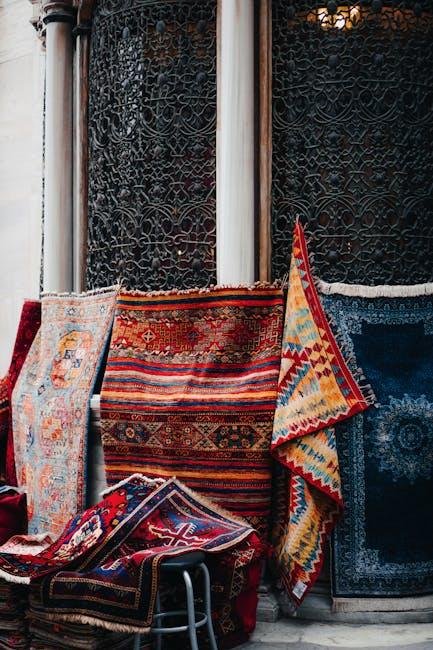
Texture and Pattern: Tricks for ‌Creating ⁢Depth in Your Room

By thoughtfully selecting and arranging your rug, you can transform even the most confined room into a space that feels brighter, larger, and more cohesive. These design strategies make a big impact—without needing to remodel.


Final Take
A carefully chosen rug in a room can anchor your furnishings, define zones, and open up the space visually. Think large, light, minimalistic, and well-placed. Use stripes or geometry to guide the eye. Anchor furniture without overwhelming the floor. Layer subtly. Match your rug to surrounding tones. Skip bold borders. With these strategies, a simple area rug becomes a powerful tool—turning a small room into a welcoming, airy home.


Hot this week

3 Simple Approaches to Infusing Texture into Your Space

In the realm of design, adding texture can transform a flat space into an engaging canvas. Opt for lightweight materials, like sheer fabrics or thin wood panels, to achieve depth without overwhelming. Layer thoughtfully to create visual interest while maintaining an airy feel.

Embracing Coastal Charm in Small Apartments: A Guide to Breezy, Functional Design

Transform your landlocked apartment into a coastal retreat with soft blues, sandy neutrals, and ocean-inspired decor. Incorporate driftwood accents, seashell motifs, and airy textiles to evoke the serene charm of the shore while keeping your urban oasis fresh and inviting.

How to Decorate a Large Wall: A Thoughtful Guide to Making a Big Impact

Creating a gallery wall that captivates without overwhelming begins with balance. Choose a thoughtful mix of sizes and frames, and consider negative space as a design element. This harmony allows each piece to shine, inviting viewers to explore without chaos.

Smart Ways to Keep Clutter Under Control in a Tiny Home

Transforming a cluttered multipurpose room into an organized oasis can be quick and simple. Start by decluttering all surfaces, using baskets for essentials, and designating specific zones for each activity. A tidy space promotes clarity and creativity!

How to Create a Stylish Yet Practical Living and Dining Room Combo

Combining living and dining areas can transform your space into a harmonious haven. Start by choosing a unifying color palette. Use rugs to define zones, and opt for furniture that complements both areas. Add cohesive decor to create flow and function.

Topics

3 Simple Approaches to Infusing Texture into Your Space

In the realm of design, adding texture can transform a flat space into an engaging canvas. Opt for lightweight materials, like sheer fabrics or thin wood panels, to achieve depth without overwhelming. Layer thoughtfully to create visual interest while maintaining an airy feel.

Embracing Coastal Charm in Small Apartments: A Guide to Breezy, Functional Design

Transform your landlocked apartment into a coastal retreat with soft blues, sandy neutrals, and ocean-inspired decor. Incorporate driftwood accents, seashell motifs, and airy textiles to evoke the serene charm of the shore while keeping your urban oasis fresh and inviting.

How to Decorate a Large Wall: A Thoughtful Guide to Making a Big Impact

Creating a gallery wall that captivates without overwhelming begins with balance. Choose a thoughtful mix of sizes and frames, and consider negative space as a design element. This harmony allows each piece to shine, inviting viewers to explore without chaos.

Smart Ways to Keep Clutter Under Control in a Tiny Home

Transforming a cluttered multipurpose room into an organized oasis can be quick and simple. Start by decluttering all surfaces, using baskets for essentials, and designating specific zones for each activity. A tidy space promotes clarity and creativity!

How to Create a Stylish Yet Practical Living and Dining Room Combo

Combining living and dining areas can transform your space into a harmonious haven. Start by choosing a unifying color palette. Use rugs to define zones, and opt for furniture that complements both areas. Add cohesive decor to create flow and function.

How to Design a Dedicated Hobby Space at Home That Sparks Creativity

In an era where space often feels limited, embracing hobbies can seem daunting. Yet, with a dash of creativity, even the coziest corners can become vibrant workspaces. Consider foldable furniture, vertical storage, and compact tools to craft your passion amidst the clutter.

Maximizing Space with a Corner Entertainment Center for a Fresh, Open Living Area

Transform your living room into a vibrant kids’ play zone with a few simple steps. Start by designating a corner for play, using colorful rugs and soft cushions for comfort. Add storage bins for toys, and finish with creative wall art to spark imagination!

Maximizing Space with a Corner Entertainment Center for a Fresh, Open Living Area

In an age where media often dominates our spaces, the emergence of subtle Media Corners provides a refreshing balance. These well-designed nooks blend technology with tranquility, inviting engagement without overwhelming the senses, fostering creativity and conversation.
spot_img

Related Articles

Popular Categories

spot_imgspot_img