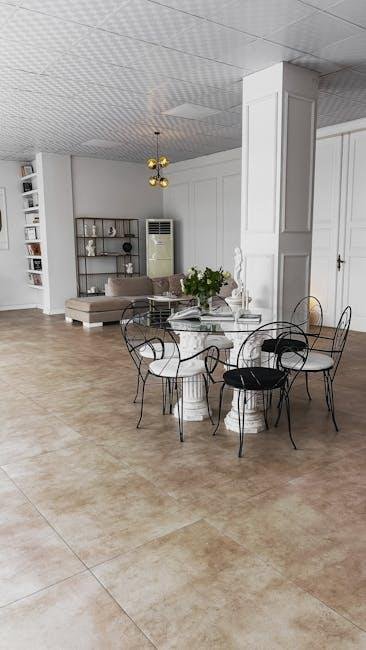

Combining your living and dining areas into a single cohesive space can be both a creative challenge and a rewarding design opportunity. Whether you live in a small apartment or an open-plan home, achieving balance between functionality and aesthetics is essential. The key is to define each area’s purpose while ensuring they flow together naturally.
Here’s a guide to help you design a combination living and dining room that’s both stylish and highly functional.
1. Start with a Smart Layout
Before adding furniture or décor, think about the layout. Consider how people will move through the space. In most open-concept homes, the living room and dining area share one elongated or square zone. Begin by identifying where each section should go.
Typically, placing the dining area closer to the kitchen increases efficiency, while positioning the living area near windows creates a cozy and inviting setting. Avoid blocking natural light or creating pathways that interrupt the flow between spaces.
If your room is small, using furniture to define zones can work wonders. For example, a sofa can serve as a soft divider, separating the living space from the dining table behind it.
2. Define Each Space With Rugs
One of the simplest yet most effective tools in open-space design is a well-placed rug. Rugs help to visually separate the living and dining zones without adding physical barriers.
Opt for rugs that complement each other but don’t necessarily match. For instance, a textured neutral rug under the dining table can contrast nicely with a patterned option in the living area. The goal is to distinguish each space while maintaining visual harmony.
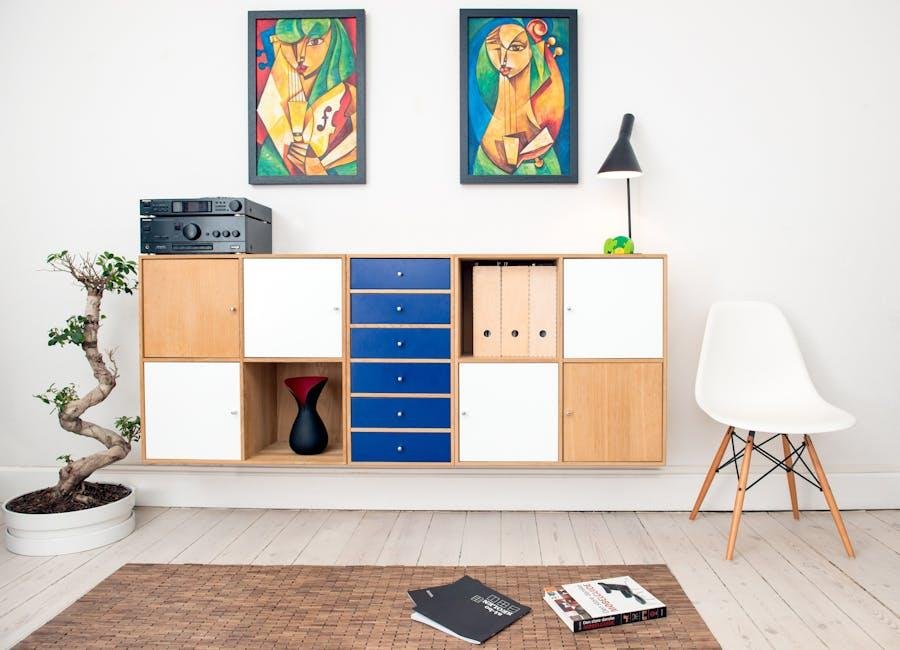
3. Choose a Cohesive Color Palette
When designing two zones within one room, color unifies everything. Pick a base color scheme that works across both areas, then layer in accents that differentiate the spaces.
Neutral tones like soft grays, creams, and earthy hues create a calm foundation, while pops of color can be introduced through cushions, wall art, or decorative objects. If your dining chairs are bold, echo that color in a throw pillow or a piece of artwork in the living area to create subtle continuity.
4. Use Furniture Wisely
Furniture selection is critical in a dual-purpose space. Each piece should serve a function while contributing to the overall design.
In the living area, go for seating that suits your lifestyle—modular sofas work well for flexibility, while armchairs add sophistication. For the dining area, choose a table that fits your daily needs but can extend when hosting guests. Consider benches or armless chairs if space is tight.
Avoid overfurnishing; too many items can make the space feel cluttered and disjointed. Instead, focus on pieces that serve multiple purposes, such as storage ottomans or sideboards that double as display units.
5. Add Lighting That Serves Both Function and Mood
Lighting plays a major role in how each area feels. Ideally, your lighting plan should highlight both the dining and living spaces individually.
Pendant lighting over the dining table can provide a focal point and enhance mealtime ambiance. Meanwhile, floor or table lamps in the living area create a more relaxed, comfortable vibe. Make sure the lighting styles coordinate, even if they serve different purposes.
Dimmers are a valuable addition, allowing you to shift from bright, task-oriented lighting to a softer glow for evening relaxation.

6. Use Accessories to Tie It All Together
Accessories are the finishing touches that make your design feel intentional. Think cushions, art, vases, and books. The trick is to avoid making the space feel too “matchy,” while still ensuring everything works together visually.
Try echoing materials or colors across the two spaces—a brass lamp in the dining area could pair nicely with brass photo frames in the living room. Similarly, wood tones, glass textures, or woven baskets can appear in both areas for a cohesive look.
Don’t forget greenery. Plants add life and warmth, bridging the gap between the two zones and softening sharp lines or transitions.
7. Keep the Flow Open
Finally, always think about movement. Even in a smaller space, your combination room should feel open and easy to navigate. Avoid blocking walkways with oversized furniture or awkward placements.
Try walking through your space to test the flow. Can you easily access the kitchen, walk around the dining table, or relax on the sofa without obstacles? A room that functions well will naturally feel more welcoming.
Final Thoughts
Designing a shared living and dining space doesn’t mean compromising style or comfort. With thoughtful planning, clear visual boundaries, and a consistent design language, you can create a multifunctional space that feels spacious, warm, and entirely your own.
Whether you’re decorating from scratch or refreshing an existing layout, these principles will help guide your transformation—blending practicality with timeless style.