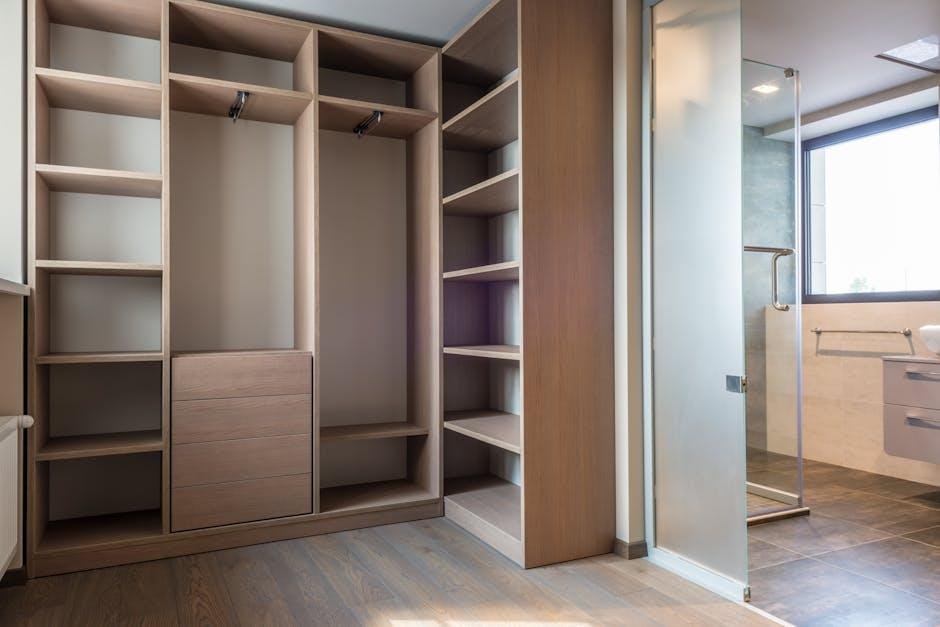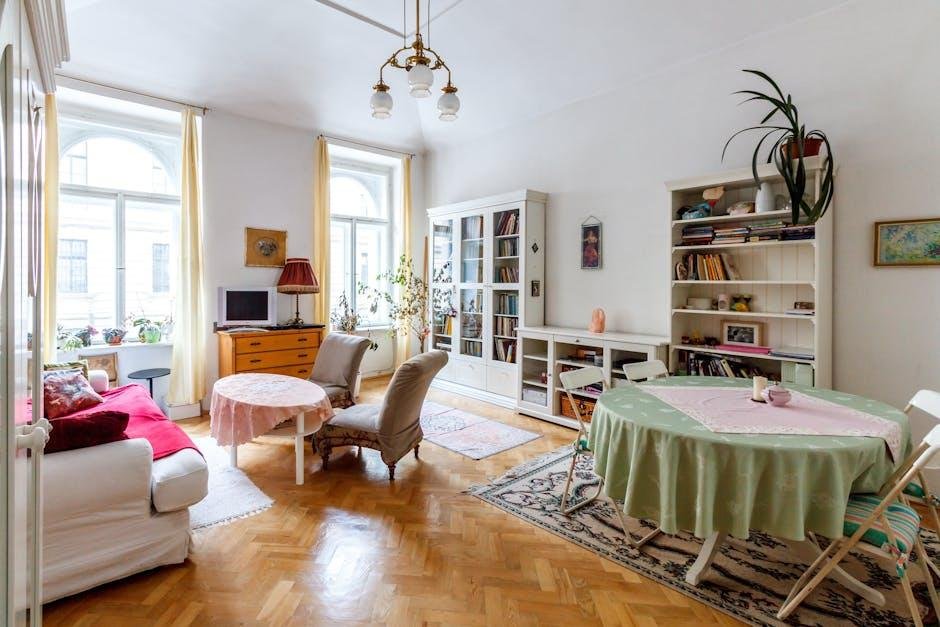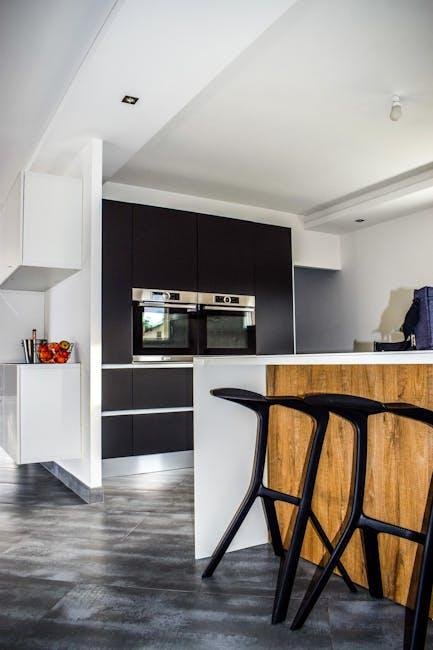

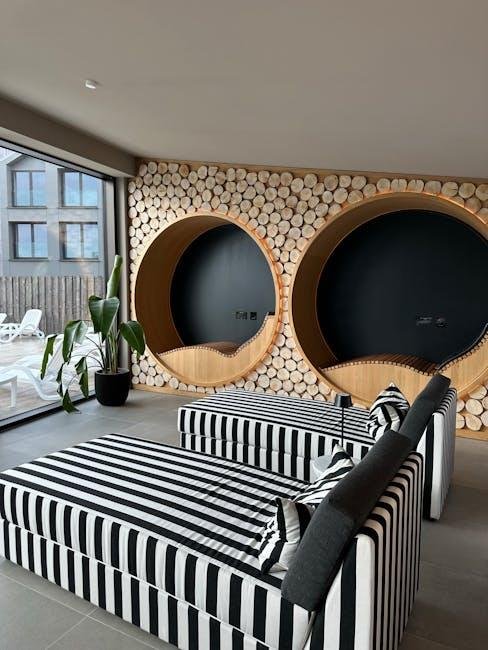
When it comes to elevating the ambiance of any living space, texture and warmth play a crucial role. One of the most effective ways to achieve this is by introducing a wood accent wall. It’s a design choice that brings a natural, inviting feel to a room, creating both visual interest and a cozy atmosphere. Whether you’re decorating a living room, bedroom, or even an office, a wood accent wall can serve as a striking focal point that complements various interior styles.
Why Choose a Wood Accent Wall?
Wood has long been valued for its ability to infuse warmth and character into interiors. Unlike plain painted walls, wood surfaces add depth and texture, making a space feel more layered and thoughtfully designed. Beyond its aesthetic appeal, wood also introduces an organic element, connecting indoor spaces with nature. This connection can be particularly comforting in urban environments where natural materials are less common.
An accent wall featuring wood not only transforms the room’s look but also creates a sense of intimacy. It can visually anchor a space, offering a backdrop that highlights furniture or artwork without overwhelming the room.
Types of Wood Accent Walls
There are various ways to incorporate wood into your wall design, each lending a distinct vibe:
- Reclaimed Wood: Using salvaged wood pieces gives the wall a rustic and authentic look. The imperfections and weathered textures tell a story, making the wall unique and full of character.
- Shiplap: This style uses horizontally installed wood boards with slight gaps or grooves between them, popular in farmhouse and coastal designs. It offers a clean yet textured appearance that can brighten or warm a room depending on the finish.
- Tongue and Groove Panels: These interlocking wood boards fit snugly together, creating a seamless surface that works well in both traditional and modern interiors.
- Wood Planks or Slats: Vertical or diagonal wood slats can add a contemporary edge to the accent wall, introducing dynamic lines and shadows that enhance depth.

Selecting the Right Wood and Finish
Choosing the appropriate type of wood and finish is essential for achieving the desired effect. Light woods like pine or oak can make a space feel airy and natural, while darker woods such as walnut or mahogany add richness and sophistication. The finish—whether matte, glossy, stained, or raw—also impacts the overall mood.
For a modern, minimalist aesthetic, smooth, polished finishes work best. Meanwhile, natural or distressed finishes suit rustic or industrial themes. If you want to maintain the wood’s natural color and texture, applying a clear sealant protects it without altering its appearance.
Installation Tips
Installing a wood accent wall can be a DIY-friendly project, but it requires some planning:
- Choose the Wall Wisely: Typically, the wall behind a sofa, bed, or fireplace serves well as an accent wall. It should be the one that naturally draws attention.
- Prepare the Surface: Make sure the wall is clean, dry, and structurally sound. If needed, install a moisture barrier to protect the wood, especially in humid areas.
- Measure and Plan: Measure the wall’s dimensions to estimate the amount of wood needed. Consider the layout pattern beforehand, whether you want horizontal, vertical, or diagonal placement.
- Use Proper Tools and Fasteners: Depending on the wood type and wall structure, nails, screws, or adhesive may be used to secure the panels.
- Consider Lighting: Proper lighting can enhance the wood’s texture and warmth. Accent lights or strategically placed lamps help to emphasize the natural grain and depth.
Decorating Around Your Wood Wall
Once the wood accent wall is in place, it’s important to balance it with complementary décor:
- Neutral Tones: Soft, neutral colors in furnishings and accessories prevent the room from feeling overly busy. Whites, creams, and grays allow the wood to stand out without competing.
- Natural Fabrics: Materials like linen, cotton, or wool in rugs, cushions, and curtains reinforce the organic feel and add softness against the hard wood surface.
- Greenery: Plants bring life and freshness to the space, enhancing the natural vibe introduced by the wood.
- Metallic Accents: Adding touches of metal, such as brass or black iron fixtures, can provide contrast and a modern edge without detracting from the warmth.
Benefits Beyond Aesthetics
In addition to its visual appeal, wood as a material offers practical benefits. Wood panels can improve room acoustics by absorbing sound, reducing echoes, and creating a quieter environment. They can also contribute to better insulation, helping to maintain room temperature.
Final Thoughts
Incorporating a wood accent wall is a timeless design choice that adds texture, warmth, and personality to any room. Its versatility allows it to blend seamlessly with various styles, from rustic cabins to sleek modern apartments. With thoughtful selection and installation, a wood accent wall can transform your space into a welcoming retreat that invites comfort and admiration.