Wednesday, February 4, 2026
-0.1 C
New York

Brightening Your Home the Smart Way: A Closer Look at Energy-Efficient Light Fixtures

In a world increasingly driven by sustainability, making conscious decisions about how we illuminate our homes is more important than ever. While lighting might seem like a small part of your energy usage, it’s an area where small changes can lead to significant long-term benefits. Energy-efficient light fixtures are one of the simplest and most effective upgrades a homeowner can make—offering cost savings, environmental benefits, and enhanced lighting quality in one smart package.
This image has an empty alt attribute; its file name is 2321.jpg

Why Energy Efficiency in Lighting Matters

Lighting accounts for about 15% of an average home’s electricity consumption. While this might not seem like a huge slice of the pie, it adds up over time. Traditional incandescent bulbs are notorious for wasting energy by producing more heat than light, making them both inefficient and outdated. With modern energy-efficient alternatives, homeowners now have the opportunity to significantly reduce energy waste without sacrificing comfort or functionality.

In an era where every kilowatt counts, swapping out outdated fixtures for modern, efficient ones is a meaningful step toward a greener lifestyle. It also aligns with growing efforts to cut household energy bills and reduce our collective carbon footprint.

What Makes a Light Fixture Energy-Efficient?

Not all lighting is created equal. An energy-efficient light fixture is designed to use less electricity to deliver the same—or even better—lighting performance. These fixtures often use LED (light-emitting diode) bulbs or other advanced technologies that consume a fraction of the energy required by incandescent or fluorescent options.

What’s more, energy-efficient fixtures are typically built to distribute light more effectively, eliminating the need for multiple sources in one space. This not only reduces electricity use but also enhances the overall aesthetic and functionality of your lighting design.

The Benefits Go Beyond the Power Bill

Switching to energy-efficient lighting is more than a cost-cutting measure—it’s an upgrade to your living environment. Here’s how:

  • Lower Utility Costs: The most immediate and measurable benefit. LEDs, for instance, can use up to 75% less energy than traditional bulbs and last up to 25 times longer.
  • Improved Lighting Quality: Modern energy-efficient lighting provides a range of color temperatures and dimming options to better suit different rooms and activities.
  • Reduced Heat Output: Efficient fixtures stay cooler, which can help maintain indoor comfort and reduce the need for air conditioning in warmer months.
  • Eco-Friendly: Lower energy consumption means less demand on power plants and fewer greenhouse gas emissions. It’s a simple yet impactful way to reduce your household’s carbon footprint.

Choosing the Right Fixtures for Your Home

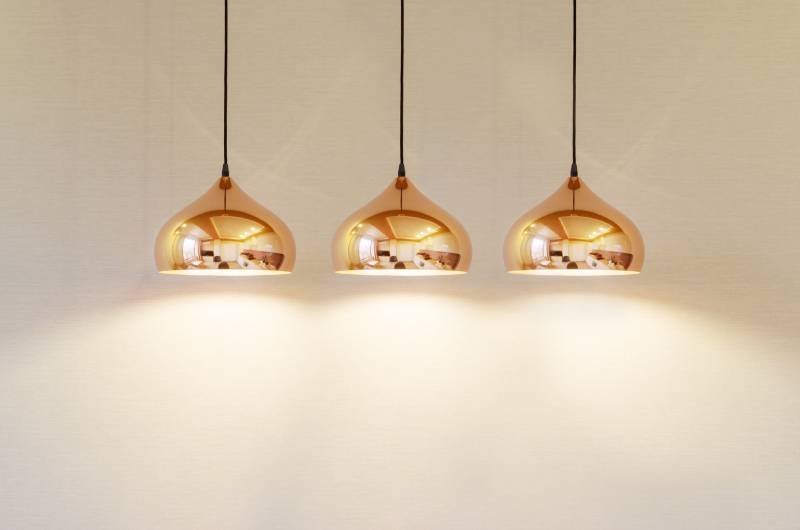
Upgrading to energy-efficient fixtures doesn’t mean compromising on style. In fact, today’s market offers a wide range of designs—from sleek, modern pendant lights to classic sconces—ensuring that you don’t have to choose between aesthetics and efficiency.

When selecting new fixtures, keep these tips in mind:

  • Look for ENERGY STAR® Certification: This label guarantees that the product meets strict efficiency standards.
  • Prioritize LED Compatibility: Even if a fixture isn’t labeled as LED-exclusive, check whether it supports LED bulbs.
  • Match Fixture Function to Room Use: Task lighting for kitchens, ambient lighting for living rooms, and accent lighting for hallways should all be planned with energy savings in mind.

Making the Transition: What to Expect

Switching to energy-efficient lighting doesn’t have to be overwhelming. Start small—perhaps with high-use areas like the kitchen or bathroom—and expand from there. Many energy-efficient bulbs and fixtures are compatible with existing wiring and sockets, making it a relatively straightforward DIY project for most homeowners.

Moreover, the long-term savings often justify the initial investment. While energy-efficient options might cost more upfront, the reduced energy bills and extended lifespan of LEDs more than make up the difference.

Lighting the Way Forward

Investing in energy-efficient lighting is more than just a home improvement project—it’s a lifestyle shift. It reflects a broader commitment to sustainability, resource conservation, and smarter living. Whether you’re renovating a space or simply looking to cut costs, energy-efficient fixtures offer a clear path forward: lower bills, better light, and a healthier planet.


Hot this week

3 Simple Approaches to Infusing Texture into Your Space

In the realm of design, adding texture can transform a flat space into an engaging canvas. Opt for lightweight materials, like sheer fabrics or thin wood panels, to achieve depth without overwhelming. Layer thoughtfully to create visual interest while maintaining an airy feel.

Embracing Coastal Charm in Small Apartments: A Guide to Breezy, Functional Design

Transform your landlocked apartment into a coastal retreat with soft blues, sandy neutrals, and ocean-inspired decor. Incorporate driftwood accents, seashell motifs, and airy textiles to evoke the serene charm of the shore while keeping your urban oasis fresh and inviting.

How to Decorate a Large Wall: A Thoughtful Guide to Making a Big Impact

Creating a gallery wall that captivates without overwhelming begins with balance. Choose a thoughtful mix of sizes and frames, and consider negative space as a design element. This harmony allows each piece to shine, inviting viewers to explore without chaos.

Smart Ways to Keep Clutter Under Control in a Tiny Home

Transforming a cluttered multipurpose room into an organized oasis can be quick and simple. Start by decluttering all surfaces, using baskets for essentials, and designating specific zones for each activity. A tidy space promotes clarity and creativity!

How to Create a Stylish Yet Practical Living and Dining Room Combo

Combining living and dining areas can transform your space into a harmonious haven. Start by choosing a unifying color palette. Use rugs to define zones, and opt for furniture that complements both areas. Add cohesive decor to create flow and function.

Topics

3 Simple Approaches to Infusing Texture into Your Space

In the realm of design, adding texture can transform a flat space into an engaging canvas. Opt for lightweight materials, like sheer fabrics or thin wood panels, to achieve depth without overwhelming. Layer thoughtfully to create visual interest while maintaining an airy feel.

Embracing Coastal Charm in Small Apartments: A Guide to Breezy, Functional Design

Transform your landlocked apartment into a coastal retreat with soft blues, sandy neutrals, and ocean-inspired decor. Incorporate driftwood accents, seashell motifs, and airy textiles to evoke the serene charm of the shore while keeping your urban oasis fresh and inviting.

How to Decorate a Large Wall: A Thoughtful Guide to Making a Big Impact

Creating a gallery wall that captivates without overwhelming begins with balance. Choose a thoughtful mix of sizes and frames, and consider negative space as a design element. This harmony allows each piece to shine, inviting viewers to explore without chaos.

Smart Ways to Keep Clutter Under Control in a Tiny Home

Transforming a cluttered multipurpose room into an organized oasis can be quick and simple. Start by decluttering all surfaces, using baskets for essentials, and designating specific zones for each activity. A tidy space promotes clarity and creativity!

How to Create a Stylish Yet Practical Living and Dining Room Combo

Combining living and dining areas can transform your space into a harmonious haven. Start by choosing a unifying color palette. Use rugs to define zones, and opt for furniture that complements both areas. Add cohesive decor to create flow and function.

How to Design a Dedicated Hobby Space at Home That Sparks Creativity

In an era where space often feels limited, embracing hobbies can seem daunting. Yet, with a dash of creativity, even the coziest corners can become vibrant workspaces. Consider foldable furniture, vertical storage, and compact tools to craft your passion amidst the clutter.

Maximizing Space with a Corner Entertainment Center for a Fresh, Open Living Area

Transform your living room into a vibrant kids’ play zone with a few simple steps. Start by designating a corner for play, using colorful rugs and soft cushions for comfort. Add storage bins for toys, and finish with creative wall art to spark imagination!

Maximizing Space with a Corner Entertainment Center for a Fresh, Open Living Area

In an age where media often dominates our spaces, the emergence of subtle Media Corners provides a refreshing balance. These well-designed nooks blend technology with tranquility, inviting engagement without overwhelming the senses, fostering creativity and conversation.
spot_img

Related Articles

Popular Categories

spot_imgspot_img