
Living in a small apartment doesn’t mean you have to compromise on style or functionality. In fact, it often means getting a little more creative. Interior designers who work with limited square footage every day have developed clever strategies to make the most of tight spaces—without sacrificing beauty or comfort.
If you’re working with minimal square footage, these expert-approved tips will help you maximize your layout and elevate your interior design.
1. Make Use of Every Nook
When space is limited, even awkward corners and underused walls can serve a purpose. According to designer Megan Hersch of RoomLift, one of the biggest mistakes people make in small apartments is leaving wall space empty. Instead, she suggests treating walls as opportunities—whether for shelving, hooks, or mounted lighting.
Try installing a few floating shelves above your sofa or desk to store books, display decor, or keep daily essentials close at hand. Similarly, consider hooks by the entryway or kitchen for bags, utensils, or mugs.
2. Let the Furniture Do Double Duty
Furniture that serves more than one purpose can be a lifesaver in small homes. Think ottomans with storage inside, beds with drawers underneath, or coffee tables that expand into dining surfaces.
Interior designer Michelle Gage emphasizes the importance of multi-functional pieces. A bench that opens up to store linens or a bookshelf that doubles as a desk are just two ways to stretch your space further. The key is to look for furniture that adapts to your needs without visually cluttering the room.
3. Use Color to Shape Perception
Color has a powerful impact on how a space feels. Bright, light colors can open up a room, while darker tones can create cozy intimacy.
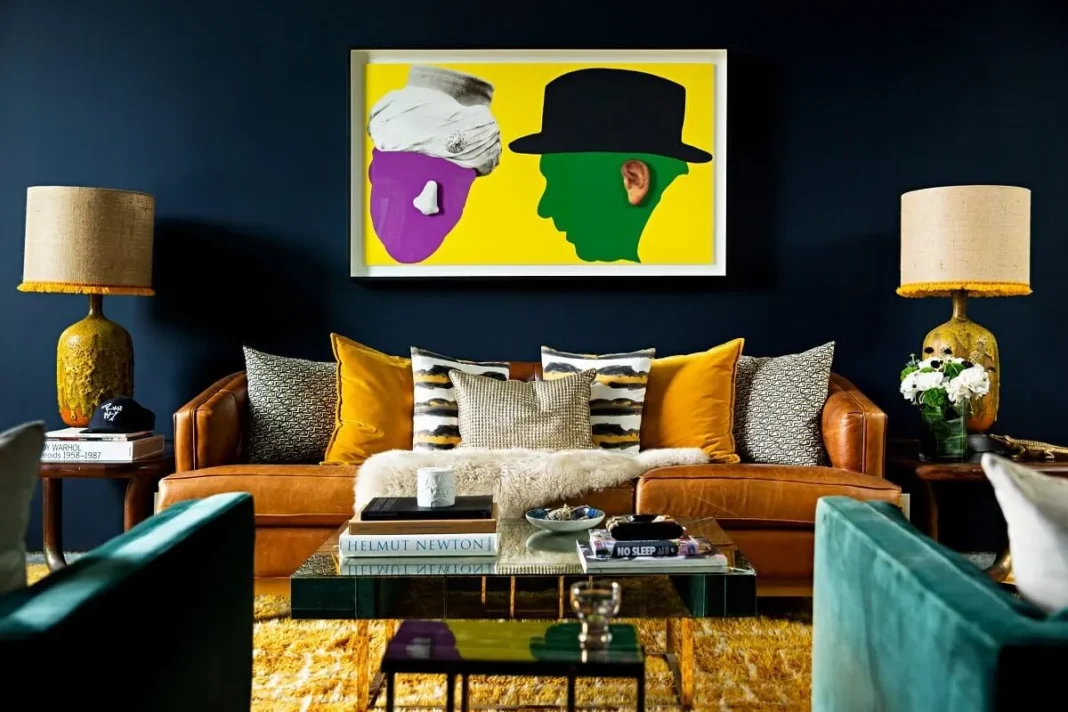
Designer Abbe Fenimore of Studio Ten 25 recommends leaning into bold hues—but with a thoughtful approach. While you might assume that dark colors make a room feel smaller, when used correctly, they can actually add depth and richness. Consider painting one accent wall in a jewel tone or choosing a dramatic wallpaper to define a specific zone within your home.
If you’re more color-shy, neutral walls paired with vibrant accessories can still create visual interest without overwhelming the space.
4. Embrace Vertical Space
When you can’t build out, build up. Vertical storage is one of the most practical tools for small-space living.
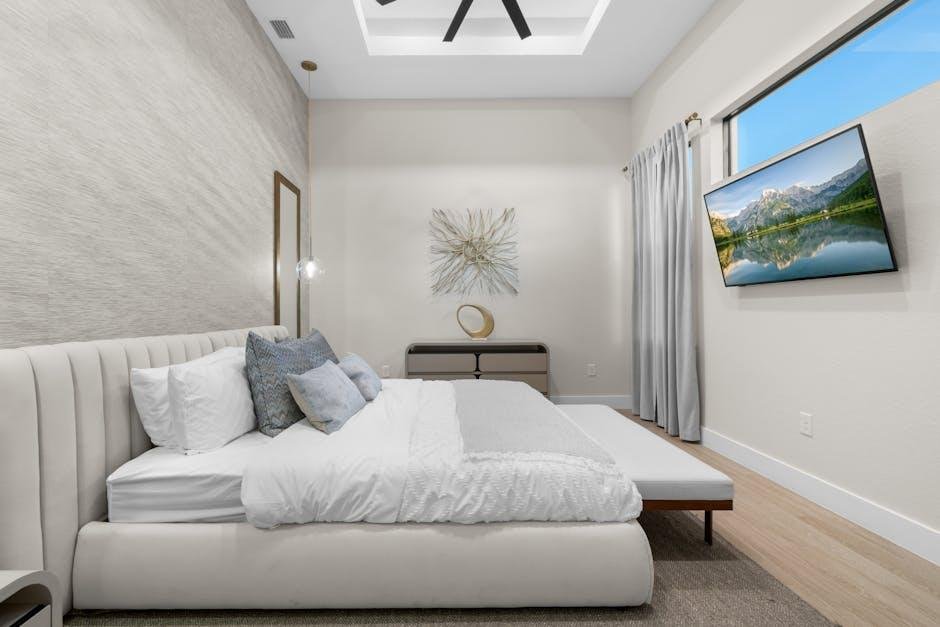
Install tall bookcases or cabinets that stretch to the ceiling. Not only do they provide ample storage, but they also draw the eye upward, making the room feel taller. Hanging curtains closer to the ceiling rather than directly above windows also helps elongate the appearance of your walls.
Using vertical storage doesn’t mean sacrificing style—choose pieces with architectural interest or in finishes that complement your color palette.
5. Zone Your Space Strategically
Even in a studio or open-plan apartment, creating distinct zones helps the space feel intentional and organized.
Designer Francesca Grace recommends using rugs, lighting, and furniture placement to create visual boundaries between living, dining, and sleeping areas. For example, placing a rug under your bed can help define it as a sleeping area, even if it shares space with your home office.
Screens, open shelving, or even curtains can also function as room dividers while maintaining airflow and natural light.
6. Edit Your Belongings Ruthlessly
In small apartments, every item should earn its keep. Regularly evaluate what you truly need and use.
Hersch advises clients to embrace a minimalist mindset. That doesn’t mean living without personality—it means curating intentionally. Store seasonal items off-site if possible, or rotate decor to keep things fresh without overcrowding your space.
7. Don’t Forget Lighting
Lighting can dramatically alter the perception of space. Layering multiple light sources creates dimension and makes rooms feel larger and more welcoming.
Instead of relying solely on overhead fixtures, integrate floor lamps, table lamps, or wall sconces. These additions help soften the atmosphere and eliminate harsh shadows. Gage also suggests using mirrors strategically to reflect both natural and artificial light around the room.
8. Personal Touches Matter
Finally, just because you’re working within a smaller footprint doesn’t mean your home can’t express your personality. Art, textiles, and meaningful decor items can still play a starring role, provided they’re placed with purpose.
Grace encourages renters to hang artwork, add statement pillows, and experiment with patterns—just be mindful of scale. A few large, impactful pieces often work better than many small ones that create visual clutter.
Conclusion
Designing a small apartment can be a challenge, but it’s also an opportunity to get creative and intentional. By maximizing vertical space, using multi-functional furniture, and bringing in color and personality, you can create a home that feels just as stylish and functional as a larger one.
Small space living isn’t about having less—it’s about making more of what you have.