When living in a small space, every piece of furniture must earn its keep. Among these, the coffee table plays a central role — not just as a surface for your morning cup or remote controls, but also as a design anchor that brings together your living area. However, picking the right coffee table for a compact room can be challenging. You want it to be functional without overcrowding the space, stylish yet practical.
Here’s a detailed guide to help you find a coffee table that fits your small living space perfectly, balancing style, utility, and spatial efficiency.
1. Understand Your Space and Needs
Before diving into styles and materials, start by measuring your living area and noting the layout. How much floor space can you realistically dedicate to a coffee table? Consider the flow of movement—will people comfortably navigate around it? As a general rule, leave at least 18 inches of clearance between the coffee table and seating for easy access.
Think about how you’ll use the table. Is it primarily for display, storage, or functional use like dining or working? Your lifestyle and habits will influence your choice, from size and shape to features like shelves or drawers.
2. Prioritize Scale and Proportion
In small spaces, scale is everything. Oversized coffee tables can overwhelm a room and make it feel cramped. Look for pieces with slimmer profiles and lower heights to create an open, airy feel. Round or oval tables are often better suited than square or rectangular ones because they lack sharp corners and encourage better flow.
If you have a sectional or a compact sofa, consider a coffee table that complements its size rather than competing with it. The goal is harmony, ensuring your table fits naturally within your seating arrangement.
3. Explore Multi-functional Designs
For small living rooms, furniture that serves multiple purposes is a game-changer. Coffee tables with built-in storage—like shelves, drawers, or lift tops—can reduce clutter by holding books, blankets, or remote controls out of sight.
Some designs even double as seating or extra tabletop space when needed. Nesting tables are another versatile option; they stack together to save space but can be separated when you need additional surfaces for guests.
4. Consider Material and Visual Weight
Choosing the right material impacts not only the look but also the perceived weight of the piece. Glass or acrylic coffee tables create a sense of openness, as their transparency allows light to flow through and doesn’t visually block the room. Metal frames with slender legs can also keep the room feeling spacious while adding a modern touch.
Wood tables bring warmth and texture but opt for lighter finishes or slimmer designs to avoid overwhelming the room. Avoid bulky or heavily ornate tables that tend to consume visual space.
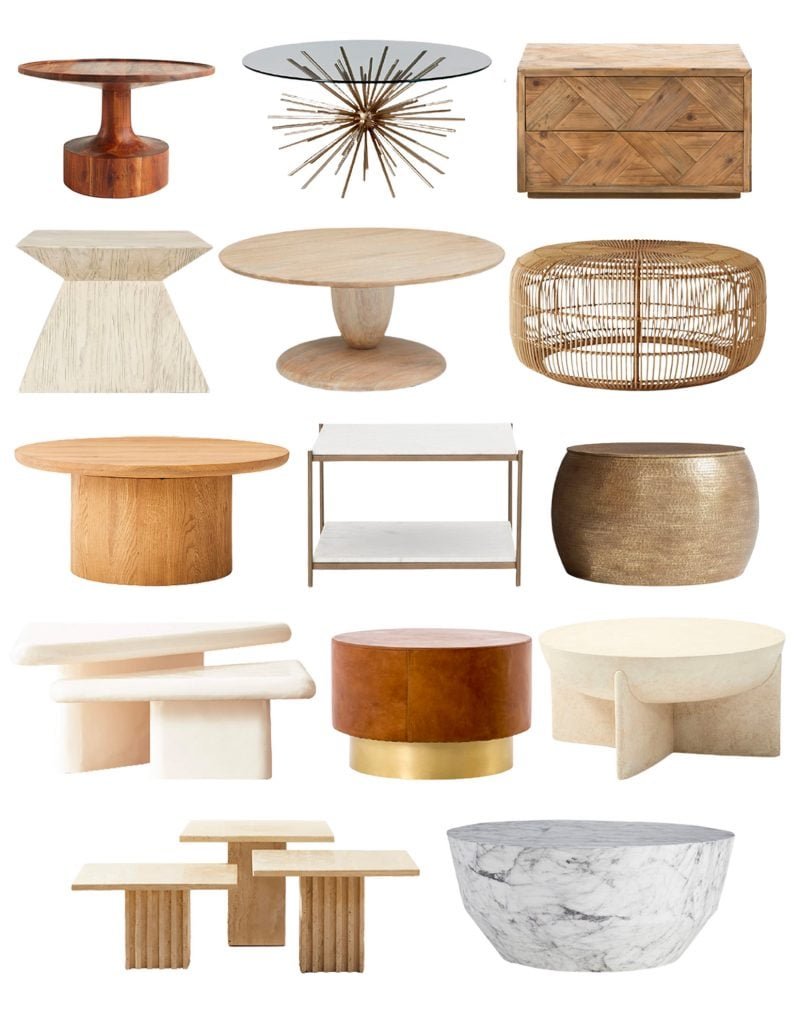
5. Get Creative with Shapes and Styles
Don’t feel restricted to traditional coffee table shapes. In small rooms, you might find that an ottoman, a trunk, or even a sturdy stool works better. These options can offer extra seating or storage and add a unique style element to your living area.
For a minimalist look, floating or wall-mounted tables provide surfaces without taking up floor space. Similarly, folding or collapsible tables offer flexible solutions when you need a temporary spot for drinks or work.
6. Use Color and Texture to Your Advantage
Light colors generally help a room feel larger and brighter, so consider coffee tables in soft neutrals, pale woods, or metallics. Contrasting textures can add interest without clutter—pairing a sleek metal frame with a warm wooden top, for example.
If you want the table to stand out as a focal point, opt for bold colors or unique patterns, but keep the rest of the space more subdued to avoid visual chaos.
Final Thoughts
Choosing the right coffee table for a small space requires careful consideration of scale, function, and style. By prioritizing pieces that maximize utility while maintaining an open feel, you can create a cozy, inviting living area without sacrificing design. Whether you opt for a minimalist glass table, a multi-functional ottoman, or sleek nesting tables, the key is to find a balance that suits your space and lifestyle.
With thoughtful choices, your coffee table can become a centerpiece that enhances your small space rather than crowding it.