Mirrors aren’t just grooming tools—they’re secret weapons for brightening and broadening any room. Whether you’re working with tight or windowless spaces, the right mirror placement can instantly elevate light, atmosphere, and style.
1. Harness Sunlight Like a Pro
Mirrors are most effective when placed directly across from windows. By reflecting outdoor light, they double the brightness in a room, reducing the need for artificial lights and creating a breezy, open feel . Even in urban condos with modest windows or darker interiors, this trick delivers tangible impact.
2. Be Strategic with Placement
-
Ideal placement: Position mirrors to catch both direct sunlight and more subtle daylight. You’ll want them angled to reflect the sun or sky—essentially creating a second, makeshift window.
-
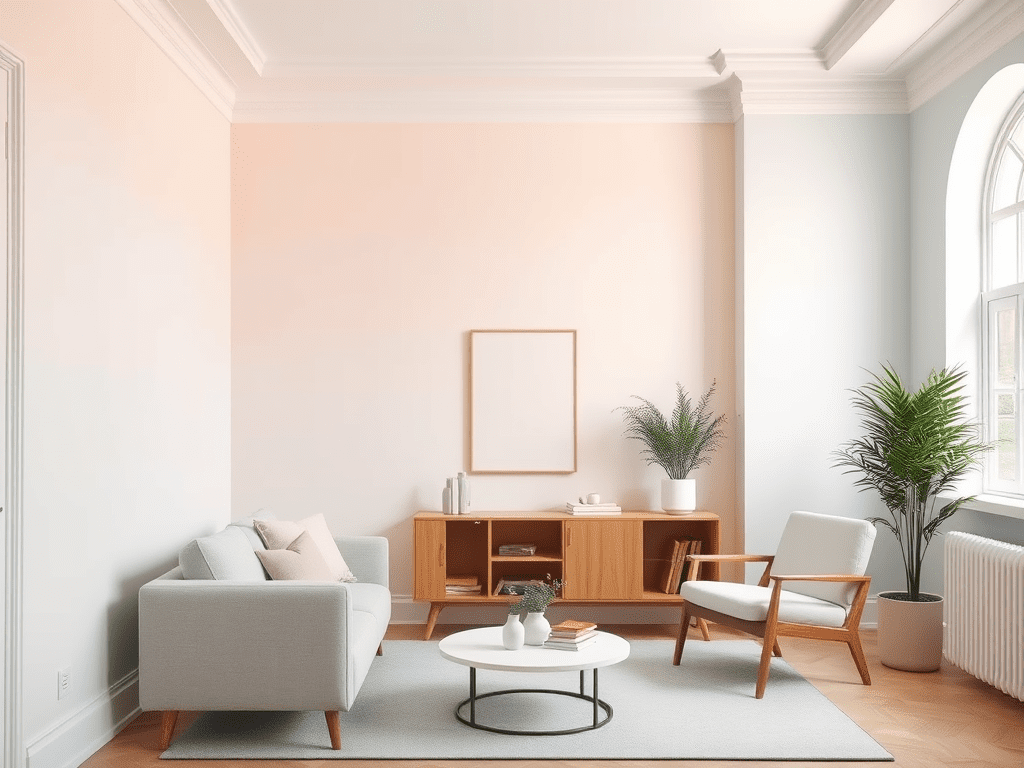
Pair with bright hues: Light-colored walls and furnishings help bounce reflected light further. A pale palette and mirror combo can make even cramped spaces feel airy and spacious .
-
Complement artificial light: Fix mirrors opposite lamps or ceiling lights to amplify brightness during evening hours—perfect for windowless bathrooms or hallways .
3. Go Big or Elegant
-
Full-length mirrors are excellent in bedrooms or corridors. Their height draws the eye upward and enhances vertical space—ideal for compact rooms.
-
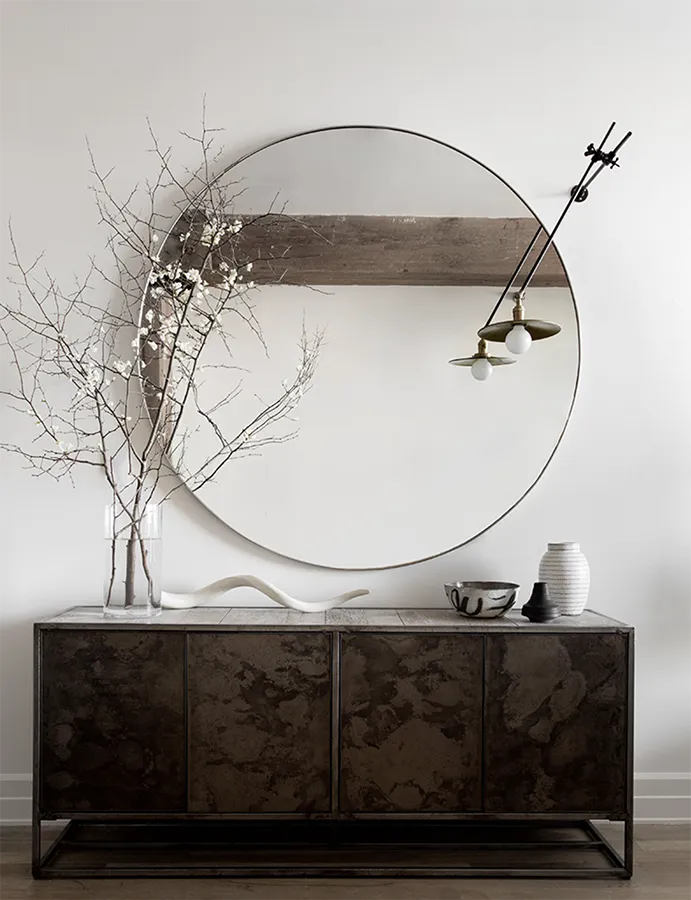
Oversized, framed mirrors—think ornate or bold frames—can act as design anchors. They reflect significant amounts of light while adding personality.
-
Mirror clusters: A collection of mirrors in various shapes and sizes makes a dramatic wall feature and serves as a functional light booster.
4. Incorporate Mirrored Elements Elsewhere
Mirrors aren’t just for walls:
-
Mirrored backsplashes or glass-topped tables reflect light subtly, adding sparkle without overwhelming a minimalist aesthetic.
-
Furniture with mirrored surfaces—nightstands, coffee tables, etc.—further light distribution and add a luxe touch .
-
In bathrooms or dressing areas, backlit or LED-framed mirrors balance utility with ambiance.
5. Define & Enhance Space
Mirrors can also segment open-plan layouts by visually widening defined zones:
-
Use a large mirror to mark off a dining area from a living room while keeping things open.
-
Install tall standing mirrors near doorways to expand hallways visually and reflect calming views or décor elements from adjoining rooms .
6. Reflect the Best Views
When you have something beautiful in sight—like garden greenery, a charming artwork, or sunlight streaming in—a mirror can amplify it:
-
Place mirrors to reflect outdoor scenery, bringing nature inside.
-
In spaces lacking a view, mirror a visually strong interior wall—like a gallery display—to give the illusion of depth.
7. Layer with Purpose
To prevent your mirrored decor from feeling flat:
-
Pair with textures—think plush throws, woven rugs, or linen curtains—to enhance depth.
-
Introduce metallic accents (brass lamps, chrome fittings) to reflect extra light and add shine.
-
Use plants or natural materials. Greenery reflects beautifully and adds life against reflective surfaces.
8. Mirror Tips for Different Rooms
| Room | Mirror Use Tip |
|---|---|
| Living Room | Large wall mirror opposite windows to bounce light. Backlit mirror over fireplace adds ambient glow. |
| Bedroom | Tall mirror near window for doubling natural light and creating a pleasant outfit prep area. |
| Entryway/Hall | Slim full-length mirror broadens narrow corridors and allows for last-minute checks before heading out. |
| Bathroom | LED mirrors above vanity add both function and atmosphere, enhancing everyday routines. |
9. Maximize Versatility and Style
-
Swap framed for frameless depending on your vibe. Sleek frameless mirrors integrate into modern schemes; a distinctive frame adds character in eclectic or traditional decor.
-
Play with shapes—round, oval, arched—to add softness or visual interest.
-
Adjustable lighting like dimmer switches let you tailor brightness from functional to ambient.
Why Mirrors Always Work
-
Light amplification: Mirrors effectively increase natural and artificial light, dispersing it throughout the space.
-
Spatial illusion: They create depth and dimension—a budget-friendly alternative to physical renovations.
-
Decor flexibility: Once installed, mirrors blend with evolving decor—just change your accents or wall art and you’re set.
Quick Checklist Before Installing
-
Map light paths (sunlight, street lights, lamp positions).
-
Choose mirror size and style that fits your aesthetic and fits your space.
-
Plan wall placement—use studs or hardware rated for the mirror’s weight.
-
Complement with layers like textures, plants, metallic accents, and accent lighting to balance reflection with warmth.
The Takeaway
Mirrors are more than reflections—they’re light manipulators, space expanders, and design superheroes. When placed thoughtfully—across from windows, paired with texture, layered with lighting—they instantly elevate any room. No need for structural changes: the right mirror can open, brighten, and beautify your space in one simple style-move.