Thursday, January 29, 2026
-8.6 C
New York

Using Bookshelves to Divide a Room: A Practical and Stylish Solution

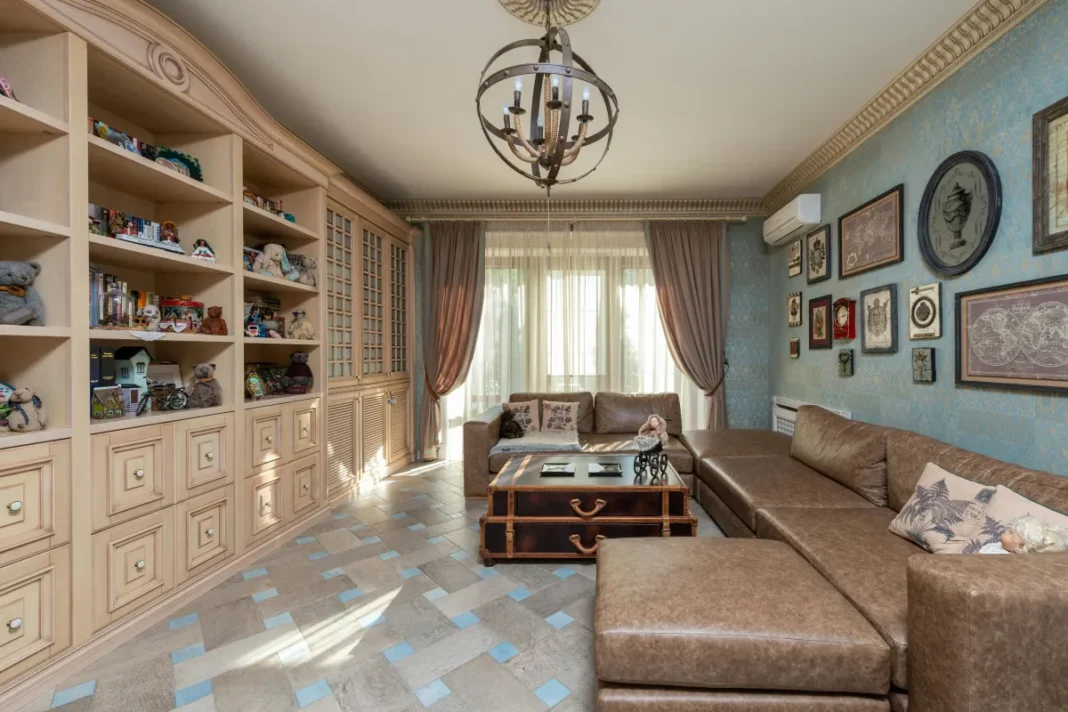
When it comes to maximizing space in your home, finding creative ways to define different areas without the use of permanent walls is a smart approach. One popular and effective method is dividing a room with bookshelves. This technique not only provides separation but also adds functionality and aesthetic appeal. Bookshelves offer a versatile way to break up open spaces, create distinct zones, and even add storage or display areas, all while maintaining an open and airy feel.
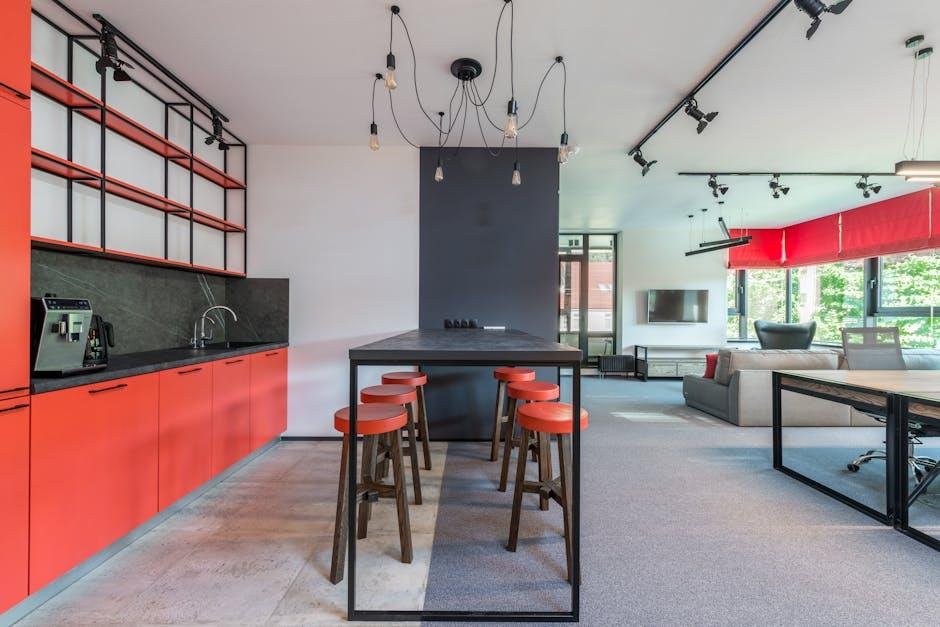
Innovative‍ Design for Multifunctional​ Spaces

Why Choose Bookshelves as Room Dividers?

Unlike traditional walls, bookshelves as room dividers allow light and air to flow freely between spaces. This openness is especially beneficial in smaller homes or apartments where you want to avoid making rooms feel cramped. Bookshelves also serve dual purposes: they organize your belongings and showcase your personality through books, décor, and collectibles.

Additionally, bookshelves can be tailored to fit any style or size requirement, making them a flexible design solution. Whether you prefer a sleek modern look with clean lines or a more rustic feel with wood finishes, there’s a bookshelf option to complement your interior design.

Types of Bookshelves for Dividing Spaces

When selecting bookshelves to divide a room, there are several options to consider:

  • Freestanding Bookshelves: These are the most common and easiest to install. Freestanding units can be moved or rearranged as needed, providing adaptability for changing needs. Choose units with an open-back design to maximize light flow.
  • Built-in Bookshelves: If you want a more permanent and custom solution, built-in shelves offer a seamless look that integrates into your walls or floor plan. They provide substantial storage and can be designed to match your room’s architecture.
  • Double-sided Bookshelves: These shelves serve as a true divider by offering storage on both sides, helping to define separate areas effectively while displaying items on either side.
  • Low Bookshelves: For subtle room separation, low shelves create a partial barrier without blocking sight lines completely. They’re ideal for dividing living rooms and dining areas without closing off the space.
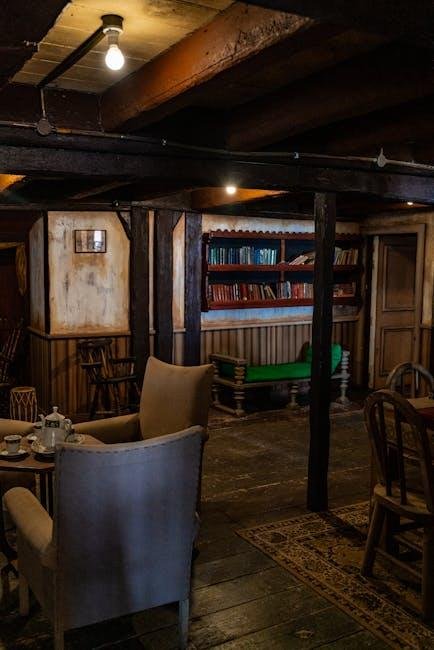
Maximizing storage ⁤and style with⁣ Bookcase Dividers

Placement and Layout Tips

Before installing or buying a bookshelf to divide a room, consider the function of the separated spaces. Are you creating a home office, reading nook, or play area? Knowing the purpose will guide the size and style of the bookshelf.

  • Positioning: Place the bookshelf at the natural boundary between two spaces. It could be parallel to a wall or angled slightly to create visual interest.
  • Accessibility: Ensure both sides of the bookshelf are easy to access. Avoid placing bulky items in hard-to-reach areas.
  • Height Considerations: Taller shelves provide more privacy but can block light. Shorter shelves maintain openness but offer less separation.

Choosing the ‌Right material and⁤ Configuration

Decorating Your Bookshelf Divider

Beyond books, think of your shelf as a canvas for creativity. Mix books with decorative items like plants, vases, photo frames, and artwork to add personality and warmth. Arrange items in varying heights and textures to create an engaging display.

In rooms with limited natural light, placing reflective items like mirrors or glass can help bounce light around the space. You can also use baskets or boxes on lower shelves to conceal clutter and maintain a tidy appearance.

Pros and Cons to Keep in Mind

Bookshelf dividers bring several advantages:

  • Enhance organization and storage
  • Define spaces without closing them off
  • Add decorative interest
  • Flexible and often cost-effective

However, there are some drawbacks:

  • May not provide complete soundproofing or privacy
  • Requires maintenance to avoid clutter
  • Heavier or built-in units may need professional installation

Incorporating Art and Decor for‍ a Cohesive Look

Final Thoughts

Using bookshelves as room dividers is a practical and stylish way to transform open spaces in your home. They blend functionality with design, allowing you to customize how you use your rooms without committing to permanent walls. Whether you need a clear boundary for work, play, or relaxation, a bookshelf divider offers a dynamic and inviting solution.


Hot this week

3 Simple Approaches to Infusing Texture into Your Space

In the realm of design, adding texture can transform a flat space into an engaging canvas. Opt for lightweight materials, like sheer fabrics or thin wood panels, to achieve depth without overwhelming. Layer thoughtfully to create visual interest while maintaining an airy feel.

Embracing Coastal Charm in Small Apartments: A Guide to Breezy, Functional Design

Transform your landlocked apartment into a coastal retreat with soft blues, sandy neutrals, and ocean-inspired decor. Incorporate driftwood accents, seashell motifs, and airy textiles to evoke the serene charm of the shore while keeping your urban oasis fresh and inviting.

How to Decorate a Large Wall: A Thoughtful Guide to Making a Big Impact

Creating a gallery wall that captivates without overwhelming begins with balance. Choose a thoughtful mix of sizes and frames, and consider negative space as a design element. This harmony allows each piece to shine, inviting viewers to explore without chaos.

Smart Ways to Keep Clutter Under Control in a Tiny Home

Transforming a cluttered multipurpose room into an organized oasis can be quick and simple. Start by decluttering all surfaces, using baskets for essentials, and designating specific zones for each activity. A tidy space promotes clarity and creativity!

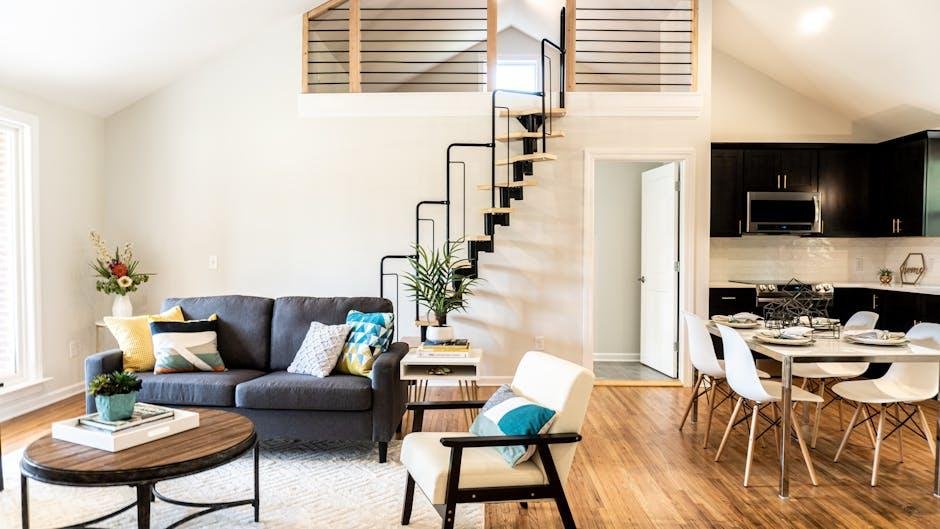
How to Create a Stylish Yet Practical Living and Dining Room Combo

Combining living and dining areas can transform your space into a harmonious haven. Start by choosing a unifying color palette. Use rugs to define zones, and opt for furniture that complements both areas. Add cohesive decor to create flow and function.

Topics

3 Simple Approaches to Infusing Texture into Your Space

In the realm of design, adding texture can transform a flat space into an engaging canvas. Opt for lightweight materials, like sheer fabrics or thin wood panels, to achieve depth without overwhelming. Layer thoughtfully to create visual interest while maintaining an airy feel.

Embracing Coastal Charm in Small Apartments: A Guide to Breezy, Functional Design

Transform your landlocked apartment into a coastal retreat with soft blues, sandy neutrals, and ocean-inspired decor. Incorporate driftwood accents, seashell motifs, and airy textiles to evoke the serene charm of the shore while keeping your urban oasis fresh and inviting.

How to Decorate a Large Wall: A Thoughtful Guide to Making a Big Impact

Creating a gallery wall that captivates without overwhelming begins with balance. Choose a thoughtful mix of sizes and frames, and consider negative space as a design element. This harmony allows each piece to shine, inviting viewers to explore without chaos.

Smart Ways to Keep Clutter Under Control in a Tiny Home

Transforming a cluttered multipurpose room into an organized oasis can be quick and simple. Start by decluttering all surfaces, using baskets for essentials, and designating specific zones for each activity. A tidy space promotes clarity and creativity!

How to Create a Stylish Yet Practical Living and Dining Room Combo

Combining living and dining areas can transform your space into a harmonious haven. Start by choosing a unifying color palette. Use rugs to define zones, and opt for furniture that complements both areas. Add cohesive decor to create flow and function.

How to Design a Dedicated Hobby Space at Home That Sparks Creativity

In an era where space often feels limited, embracing hobbies can seem daunting. Yet, with a dash of creativity, even the coziest corners can become vibrant workspaces. Consider foldable furniture, vertical storage, and compact tools to craft your passion amidst the clutter.

Maximizing Space with a Corner Entertainment Center for a Fresh, Open Living Area

Transform your living room into a vibrant kids’ play zone with a few simple steps. Start by designating a corner for play, using colorful rugs and soft cushions for comfort. Add storage bins for toys, and finish with creative wall art to spark imagination!

Maximizing Space with a Corner Entertainment Center for a Fresh, Open Living Area

In an age where media often dominates our spaces, the emergence of subtle Media Corners provides a refreshing balance. These well-designed nooks blend technology with tranquility, inviting engagement without overwhelming the senses, fostering creativity and conversation.
spot_img

Related Articles

Popular Categories

spot_imgspot_img