
In a world where remote work is increasingly becoming a norm, carving out a workspace at home is more than just a design trend—it’s a necessity. But when square footage is limited, dedicating an entire room to a home office isn’t always realistic. That’s where desk nooks step in as smart, space-savvy solutions.
Whether you’re tucked into a city apartment or making the most of a modest home, creating a functional work zone doesn’t have to require knocking down walls or extensive remodeling. With some creative thinking and thoughtful design, even the smallest corners can be transformed into highly productive spaces.

Rethinking What Counts as Office Space
Forget the traditional home office with four walls and a door. In compact homes, it’s time to redefine what qualifies as a workspace. A desk nook—essentially a compact area repurposed for work—might live in a hallway, under a staircase, or even be integrated into a living room. It’s all about using what you already have and optimizing it for focus and function.
Rather than forcing a bulky desk into a bedroom or clearing out a closet, the goal is to find underutilized areas and thoughtfully convert them into dedicated zones for productivity.
Let Function Lead Design
When planning a desk nook, function should be the driving force behind your choices. Start by considering how the space will be used. Do you need room for dual monitors? Will it mostly be for writing, video calls, or household management? These questions help guide decisions on desk size, storage, and lighting.
Custom built-ins can maximize every inch, especially in awkward or irregular spaces. For example, if you’re working with an alcove or recessed wall, a custom desktop paired with floating shelves might provide just the right balance of surface space and storage. Alternatively, ready-made desks designed for tight areas—like wall-mounted fold-down styles—can deliver surprising utility in minimal square footage.
Design That Blends In
A well-designed desk nook shouldn’t disrupt the flow of your living area. In fact, the most successful ones often feel like an organic part of the home rather than an afterthought.
Color plays a key role in creating visual harmony. Choosing tones that match your surrounding walls or cabinetry can help the desk area recede visually, making the room feel less cluttered. Similarly, cabinetry with clean lines or minimalist profiles prevents the space from feeling crowded.
When possible, hiding clutter is crucial. Closed storage—such as drawers or upper cabinets—can help keep the space tidy and visually calm, especially in high-traffic areas like kitchens or living rooms.
Lighting Matters
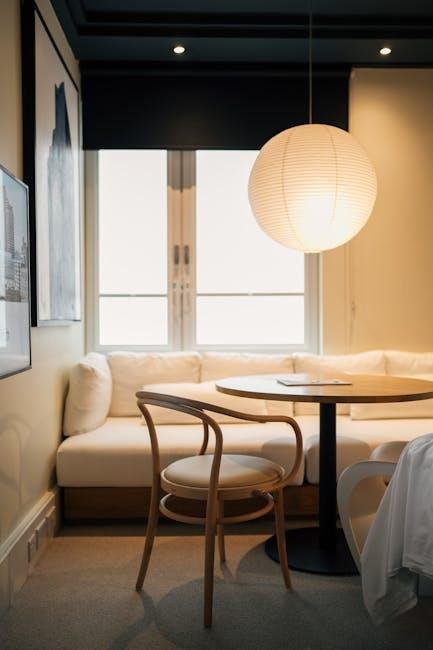
Good lighting is essential for any workspace, and desk nooks are no exception. Because many of these setups are tucked into underused corners, they might not benefit from abundant natural light.
Adding task lighting—whether it’s a small desk lamp or an overhead sconce—helps reduce eye strain and makes the space more inviting. If you’re designing from scratch, installing an electrical outlet near the desk can be a game changer, both for lighting and for plugging in essential electronics.
For areas that already receive ample natural light, be mindful of screen glare. Positioning your monitor or laptop at a right angle to windows can help minimize harsh reflections.
Inspiration from Real Homes
Across cities and styles, homeowners are proving just how versatile and effective desk nooks can be.
One Brooklyn couple transformed the space under their staircase into a home office, complete with a custom floating desk and built-in shelves. Another homeowner in Queens took advantage of a wide hallway by installing a wall-mounted desk and pegboard storage, turning a once-empty wall into a multitasking hub.
These projects highlight a broader design principle: small-space living doesn’t mean sacrificing functionality—it just demands smarter planning.

Make It Personal
Finally, don’t forget to inject personality into your desk nook. Just because it’s compact doesn’t mean it should be boring. Artwork, decorative lighting, or a favorite chair can all make the area feel more personal and motivating.
And if you’re concerned about maintaining work-life balance, subtle design cues—like a curtain, screen, or cabinet doors—can help “close off” the space when work hours are over. This is especially useful in open-plan homes or shared spaces.

Conclusion
Creating a desk nook in a small home is more than just a clever workaround—it’s an opportunity to thoughtfully adapt your living environment to today’s demands. With smart planning and a few design tricks, even the smallest corners can offer space to focus, create, and thrive.
Whether you’re managing a business, attending video calls, or simply sorting through daily tasks, a well-planned nook can give you the structure and calm you need—without taking over your home.