

Designing for a compact space presents unique challenges—and opportunities. Whether you’re decorating a small apartment, a cozy nook, or a tiny office, the way you light your space can dramatically affect how it looks and feels. With the right lighting techniques, even the most limited square footage can feel open, balanced, and inviting. Here’s how to make the most of your small space using thoughtful lighting design.

1. Understand the Role of Light in Small Spaces
In any room, light does more than just illuminate—it defines space. In small rooms, poor lighting can make the area feel cramped or dull, while strategic lighting can visually expand the space and add depth. The key is to layer light purposefully and avoid relying solely on one overhead source.
2. Embrace Layered Lighting
One of the most effective ways to add visual interest and flexibility to a compact room is through layered lighting. This means combining ambient, task, and accent lighting to create a balanced and dynamic environment.
- Ambient lighting serves as your primary light source. Think ceiling fixtures, flush mounts, or recessed lights.
- Task lighting supports specific activities such as reading, cooking, or working. Desk lamps, under-cabinet lights, and wall-mounted sconces fall into this category.
- Accent lighting brings drama and depth. It highlights architectural features, decor pieces, or artwork.
By layering these three types of light, you avoid flat, one-dimensional spaces and instead create a room that feels complete and well-designed.
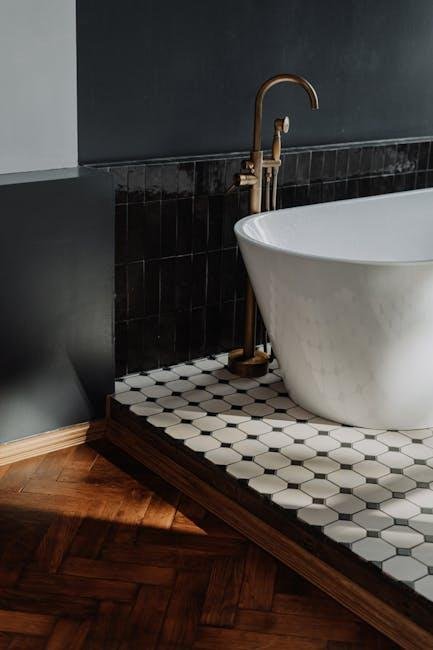
3. Choose Fixtures That Work With the Space, Not Against It
In small spaces, every inch counts—so your lighting fixtures should be both functional and visually proportionate. Bulky chandeliers or oversized lamps can overpower a small room and create visual clutter. Opt for sleek, compact designs that deliver style without consuming too much space.
Wall sconces, flush mounts, and pendant lights are all excellent choices. Bonus: wall-mounted fixtures free up floor and table space, making the room feel less crowded.
4. Use Mirrors and Light to Create Depth
One timeless trick for making a room appear larger is to incorporate mirrors. But when you pair mirrors with lighting, the effect multiplies. Mirrors reflect both natural and artificial light, brightening the room and giving an illusion of more square footage.
Try placing a mirror opposite a window to bounce daylight throughout the room. Or position it near a light fixture to amplify its glow. This simple strategy can help open up even the tightest spaces.
5. Maximize Natural Light
Natural light is your best friend in a small room. It’s soft, dynamic, and doesn’t take up any space. Make the most of it by avoiding heavy drapes or dark window treatments. Instead, go for light-filtering curtains, sheers, or even leave windows bare if privacy allows.
If you’re designing from scratch, consider window placement early on. Skylights, transoms, or high-mounted windows can let in natural light without compromising wall space.
6. Add Dimmers for Flexibility
When space is limited, every element needs to serve more than one function. That includes lighting. Installing dimmer switches gives you control over the mood and functionality of the room. Bright light for working, soft light for relaxing—same fixture, different vibe.
Dimmers also add a level of sophistication and customization that can elevate a simple space without requiring additional fixtures or renovations.
7. Highlight Vertical Space
One clever way to draw the eye upward and add a sense of height is by emphasizing vertical lines. Tall floor lamps, upward-facing sconces, or pendant lights that hang slightly lower than expected can direct attention to the ceiling, making the room feel taller and more spacious.
Vertical lighting strategies also help distribute light more evenly, reducing shadows and dark corners that can shrink a room visually.

8. Think Beyond the Ceiling
While ceiling fixtures are a default for most rooms, they shouldn’t be the only source of light—especially in small areas. Wall-mounted lighting, under-cabinet LED strips, toe-kick lighting in bathrooms or kitchens, and even battery-operated puck lights can provide additional illumination without relying solely on overhead sources.
These alternatives also offer flexibility. They’re easier to move, adjust, or replace—ideal for renters or anyone who enjoys refreshing their space often.
Conclusion
Lighting isn’t just a finishing touch—it’s a fundamental design tool, especially in small spaces. By layering different types of lighting, choosing the right fixtures, and making thoughtful use of natural light and reflective surfaces, you can transform even the tiniest room into a bright, welcoming haven. With these strategies, you don’t need more square footage—just smarter light.