

When furnishing a living room, one of the most essential decisions is choosing between a sectional and a traditional sofa. Both options offer comfort and style, but they cater to different needs, spaces, and lifestyles. Understanding the unique benefits of each can help you make the right decision for your home.
Understanding the Basics
At first glance, sectionals and sofas may appear to serve the same purpose—providing a place to sit and relax. However, their design and functionality differ in ways that can impact how you experience and use your space.
A sofa is typically a single, self-contained seating unit that can accommodate two to four people. It is versatile, easy to position, and suits a wide range of room layouts.
A sectional, on the other hand, is a modular piece of furniture made up of multiple connected segments. These pieces can be arranged in various configurations, such as L-shapes or U-shapes, and offer more seating overall.
Key Considerations Before You Decide
To determine whether a sectional or sofa fits best, it’s helpful to assess your room size, intended usage, and the overall feel you want to create.

1. Room Size and Layout
If your living room is small or oddly shaped, a traditional sofa might be the more practical choice. Its compact size allows for more flexibility in arranging other furniture and accessories. Sofas are also easier to move, which is helpful if you enjoy switching up your interior layout from time to time.
In contrast, sectionals often work best in larger spaces where they can anchor the room. Their extended seating and cohesive shape help fill a spacious area without the need for additional chairs or loveseats. If you have an open-concept living space, a sectional can also act as a subtle divider between areas.
2. Functionality and Lifestyle
Consider how you use your living room. Do you entertain frequently, have a large family, or enjoy lounging for hours while watching TV? A sectional may better accommodate these needs. With more seating and often a chaise lounge component, sectionals are ideal for stretching out or hosting multiple guests comfortably.
If you live alone or with a partner and tend to use the living room more casually, a sofa may be all you need. Pairing a sofa with accent chairs or a loveseat gives you the flexibility to rearrange the space easily for guests or changing needs.
3. Style and Design Preferences
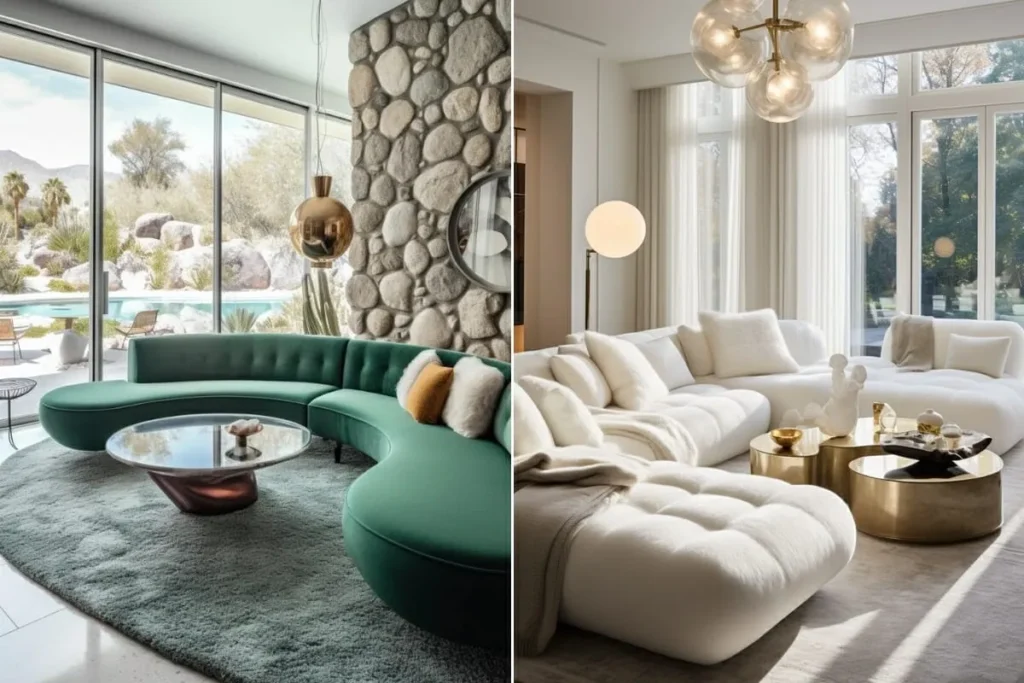
From a design perspective, both sectionals and sofas come in a wide range of styles, fabrics, and colors. Sofas are classic and timeless, blending effortlessly into almost any decor—from mid-century modern to contemporary farmhouse.
Sectionals, while more imposing, can make a strong style statement. They often feature a more casual, cozy look and can define the mood of a room. That said, there are plenty of sleek, sophisticated sectional options that can elevate a modern or minimalist aesthetic.
Pros and Cons at a Glance
To simplify the decision, here’s a breakdown of the advantages and disadvantages of each:
Sofas
Pros
-
More flexibility in layout
-
Easier to move and reposition
-
Ideal for small spaces
-
Pairs well with other furniture pieces
Cons
-
Less overall seating
-
May require additional pieces for larger gatherings
Sectionals
Pros
-
Maximizes seating in one piece
-
Great for lounging and group settings
-
Helps define open floor plans
-
Often includes a chaise or recliner
Cons
-
Heavier and harder to move
-
Less flexible in room arrangements
-
Can overpower smaller rooms
Customization and Configuration
One advantage of modern furniture shopping is the variety of customizable options available. Many retailers now offer modular sectionals, which can be reconfigured over time to suit evolving needs. This is especially useful for renters or homeowners who move frequently.
Sofas also offer customization in terms of upholstery, size, and cushion firmness, allowing you to tailor the piece to your comfort and aesthetic.
Making the Final Choice
Ultimately, the decision comes down to personal preference and how you plan to use the space. Ask yourself:
-
How much seating do I really need?
-
Do I want to create a cozy lounge feel or a formal seating area?
-
Will I want to rearrange the room often?
-
Am I furnishing a temporary space or investing in a long-term solution?
Taking the time to answer these questions honestly can guide you toward the option that best supports your lifestyle.
Conclusion
Whether you choose a sofa for its classic versatility or a sectional for its expansive comfort, both pieces can bring functionality and personality to your living space. The key is to match your choice to your room’s dimensions, your daily habits, and the atmosphere you want to create. With thoughtful planning, either option can become the heart of your home.