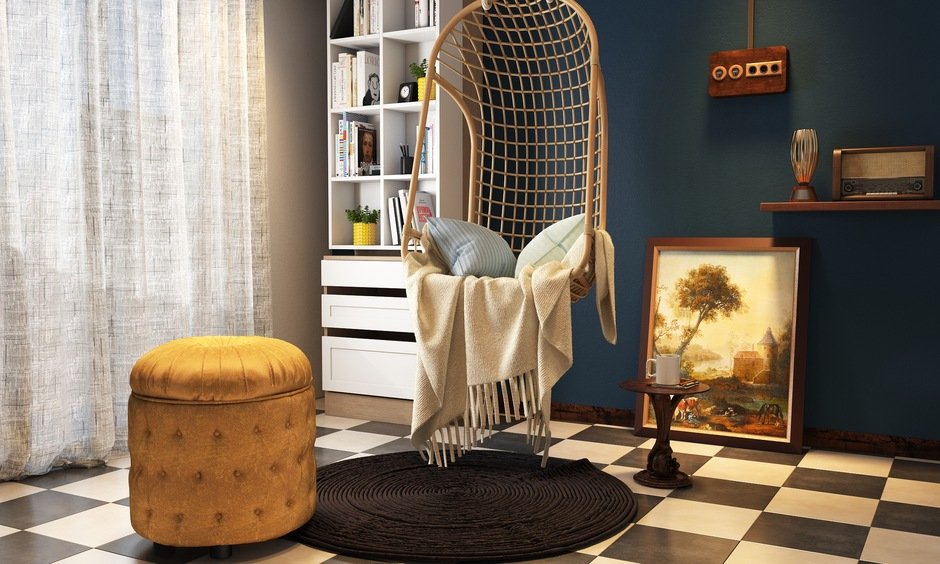
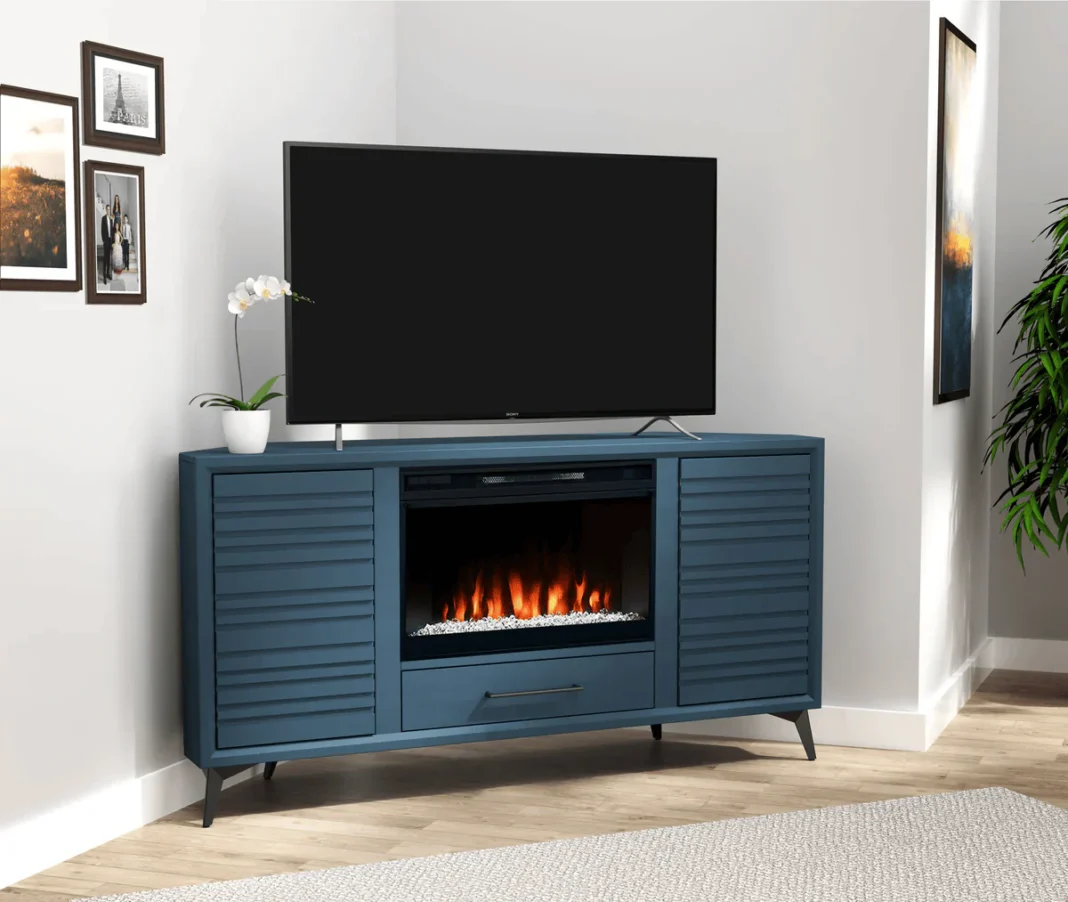
Combining a living room and dining space into one small area can seem daunting, but with thoughtful planning and a bit of creativity, it can become both functional and stylish. Whether you’re dealing with a compact apartment, a studio, or a cozy home, integrating a dining area into your living room doesn’t have to mean sacrificing comfort or aesthetic appeal. Here are some clever, real-life-inspired ideas to help you achieve a seamless, multi-functional layout in a small space.
1. Define Zones with Rugs or Lighting
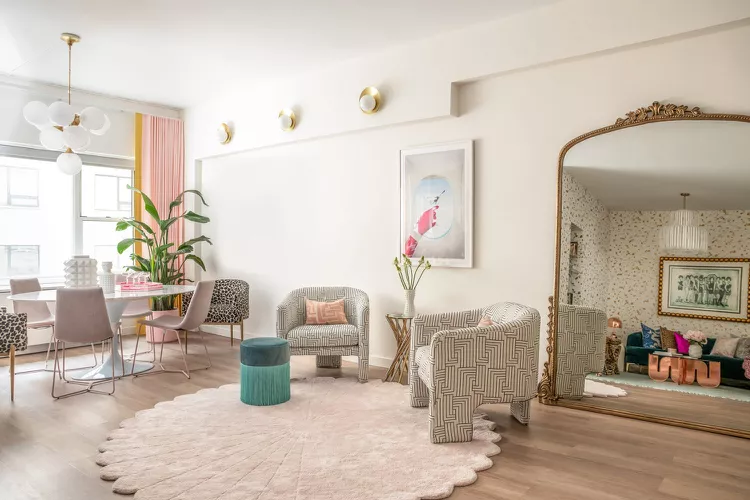
In an open-plan layout, subtle cues help distinguish between living and dining areas. Using a rug under your dining table or opting for pendant lighting above it can create a visual boundary without the need for physical partitions. This technique adds structure while maintaining a sense of openness.
2. Choose Multipurpose Furniture
Furniture that performs double duty is a small space’s best friend. Consider a console table that unfolds into a dining table, or an ottoman that works as both seating and a coffee table. Drop-leaf tables, nesting stools, and storage benches can also keep things adaptable without overcrowding the room.
3. Float the Dining Area Strategically
Instead of pushing furniture against the walls, try floating your dining table in the middle of the room or off to one side where it naturally fits the layout. Positioning the table near a window or behind the sofa creates a purposeful dining nook without overwhelming the space.
4. Use Built-In Banquettes or Benches
Banquettes or bench seating along a wall can save floor space while offering ample seating. They’re particularly useful in tight layouts, where chairs might be too bulky or hard to maneuver. Cushioned benches can double as storage, offering function without clutter.
5. Opt for Round Tables
Round dining tables often work better in tight spaces because they have no corners, allowing for easier movement around them. They also lend a casual, conversational atmosphere, which makes small gatherings feel cozy rather than cramped.
6. Maximize Corners
Empty corners can become charming dining spots with a little intention. A small table and a pair of chairs nestled into a corner make the most of underused space. Add a piece of art or a pendant light above to give it definition.
7. Coordinate Color Palettes
Keeping your color scheme consistent across both the living and dining areas helps everything feel unified. Whether you’re working with neutrals, pastels, or bold tones, use complementary hues across furniture, textiles, and decor to create a visually cohesive space.
8. Keep It Light and Airy
In small spaces, visual weight matters. Choosing furniture with slim legs, glass tops, or light finishes can help your room feel more open. Avoid overly bulky chairs or dark wood if you’re trying to maintain a sense of spaciousness.
9. Incorporate Wall-Mounted Options
If floor space is limited, consider wall-mounted tables or fold-down dining surfaces. These smart designs can be tucked away when not in use and brought out for meals or work sessions. Pair with lightweight, stackable chairs to keep things streamlined.
10. Use the Back of the Sofa
The back of your sofa can function as a natural divider. By placing a dining table directly behind it, you create two distinct zones in one room. This layout works especially well in rectangular rooms, providing clear structure without additional furniture.
11. Layer Lighting Thoughtfully
Layered lighting helps define zones and sets the mood. Use a combination of overhead fixtures, floor lamps, and sconces to highlight different areas of your room. A dedicated pendant light above the dining area draws the eye and creates a visual anchor.
12. Keep Scale in Mind
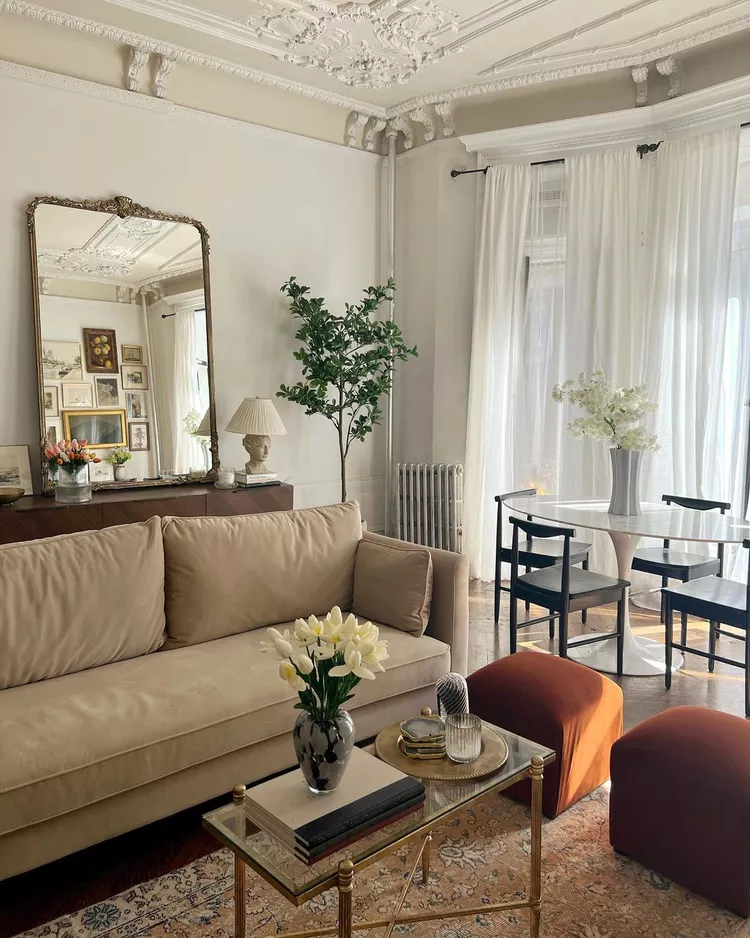
Proportions are key. Avoid oversized dining sets that overpower the room. Instead, opt for pieces that suit your scale—think two to four chairs and a compact table that doesn’t interrupt foot traffic. If you entertain often, look for extendable options that can adapt as needed.
13. Take Advantage of Vertical Space
Incorporate vertical storage like wall-mounted shelves, tall cabinets, or floating units to free up floor space. These additions help you stay organized and offer room for decor, dishware, or even greenery to enhance your aesthetic.
14. Think Outside the Box
Don’t be afraid to challenge traditional layouts. A dining table doesn’t have to sit in the center of a room. It might work better aligned with a wall, under a window, or angled for a modern twist. Explore what fits your routine and space best.
15. Let Your Personality Shine
Lastly, don’t sacrifice style for space. Use statement lighting, textured fabrics, and unique accessories to inject personality into your small-space layout. Whether your vibe is minimalist, bohemian, or classic, your space can reflect your taste while still being practical.
Final Thoughts
Designing a small living room that accommodates a dining area requires flexibility and intention, but it can result in a deeply livable, beautiful space. With the right furniture, layout, and styling choices, you can create a multifunctional room that feels neither cramped nor cluttered. The key is to think creatively, prioritize flow, and make every piece count.