
In the intricate tapestry of interior design, lighting serves as both a functional necessity and a powerful aesthetic tool. Among the myriad of choices available, two lighting types stand out for their distinct roles: task lighting and ambient lighting.While they may seem interchangeable at first glance, understanding their differences is essential for creating spaces that are not only beautifully illuminated but also purposefully designed. In this article, we will delve into the unique characteristics, benefits, and ideal applications of task and ambient lighting. by the end, you’ll be equipped with the knowledge to enhance your environment, ensuring that every corner is lit with intention. Whether you’re a seasoned designer or a homeowner seeking betterment, let’s journey together into the luminous world of lighting.
Understanding the Essentials of Task and Ambient Lighting
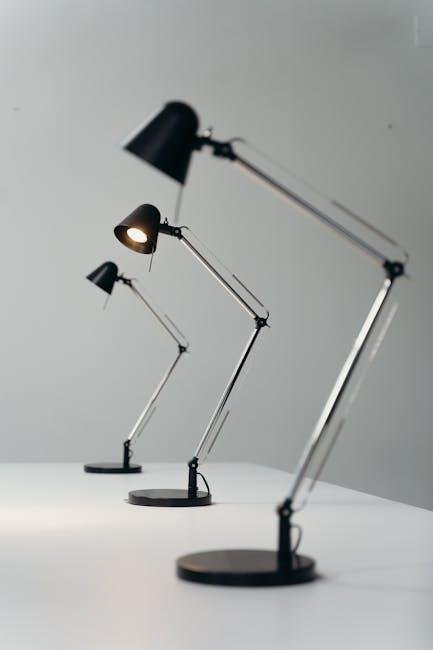
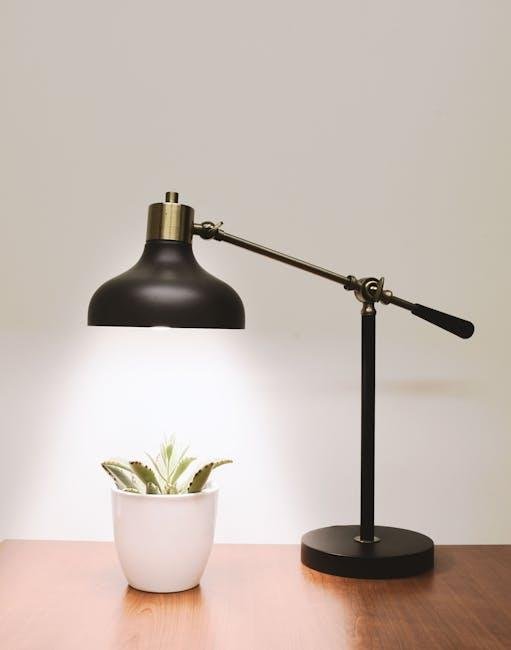
When it comes to lighting, understanding the functions of each type is crucial for creating a space that is not only aesthetically pleasing but also highly functional. Task lighting focuses on illuminating specific areas where activities such as reading, writing, or cooking take place. It is typically brighter than ambient lighting and can be adjusted to provide the optimal amount of light for close-up work. Common examples include desk lamps, under-cabinet kitchen lights, and adjustable floor lamps. Here are some key attributes of task lighting:
- Direct illumination: Targets specific areas for focused tasks.
- Adjustable intensity: Can frequently enough be dimmed or brightened based on needs.
- Design versatility: Available in various styles to fit different decorations.
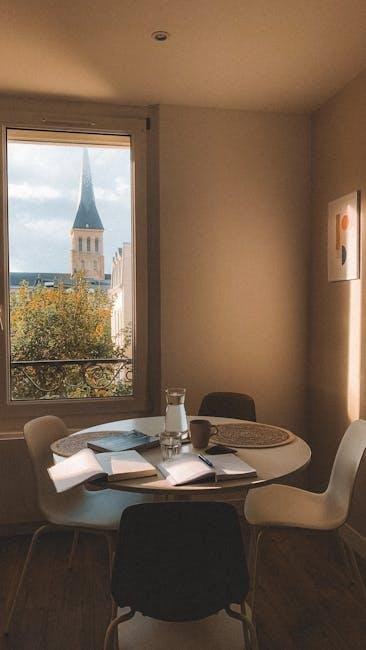
Conversely, ambient lighting serves as the foundation of the room’s overall illumination. It casts a cozy glow that fills the space uniformly, making it essential for creating a welcoming atmosphere. Ambient lighting can be achieved through various fixtures, such as ceiling-mounted lights, wall sconces, or even natural light through windows. This type of lighting is characterized by its ability to provide a general glow without creating harsh contrasts. Here are some important points regarding ambient lighting:
- Soft and diffused: Provides an even light that minimizes shadows.
- Enhances mood: Creates a relaxing or inviting environment.
- Functional style: Complements design while ensuring practicality.
key differences Between Task Lighting and ambient Lighting
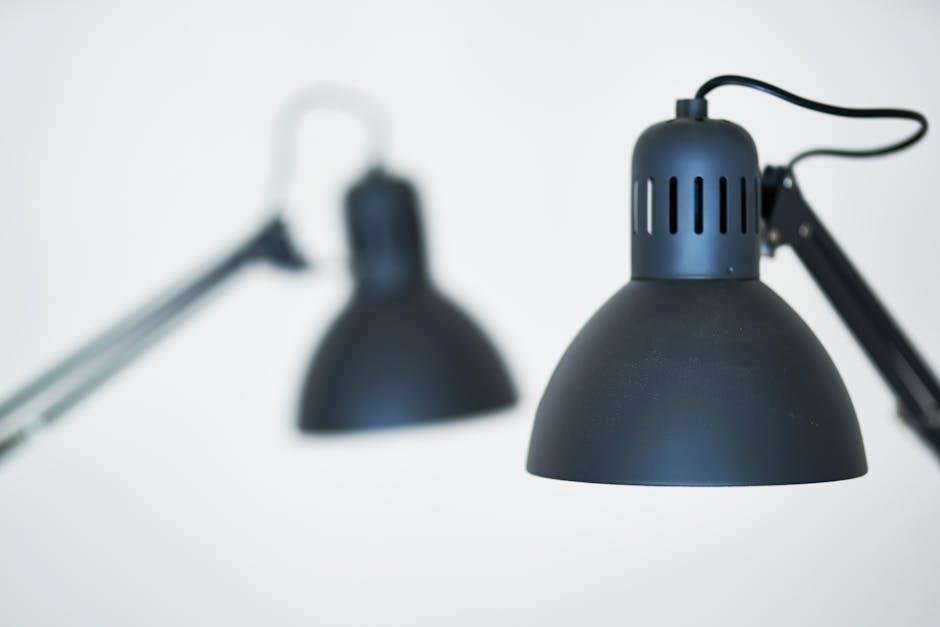
When considering the essentials of lighting design, task lighting and ambient lighting serve distinct yet complementary functions. Task lighting is focused, illuminating specific areas where activities such as reading, cooking, or working take place. This type of lighting is usually adjustable and frequently enough incorporates fixtures like desk lamps, under-cabinet lights, and track lighting. It aims to reduce eye strain and improve functionality, creating focused work zones that enhance productivity. Common characteristics include:
- Targeted illumination for specific tasks
- Shadow reduction for clearer visibility
- Adjustability in brightness and direction
On the other hand, ambient lighting provides overall illumination for a space, establishing the foundation for the room’s atmosphere.It is indeed typically softer and more diffused than task lighting, creating a welcoming and comfortable environment. Common sources of ambient lighting include ceiling fixtures, chandeliers, and wall sconces. This lighting type contributes to the general mood within the room, fostering relaxation or energy. Its essential traits comprise:
- Uniform light distribution throughout the space
- Setting the mood with varied intensity
- Enhancing architectural features and adding depth
Choosing the Right Type of Lighting for Your Space
The distinction between task lighting and ambient lighting plays a critical role in creating an effective and inviting space. Task lighting is designed to illuminate specific areas where activities such as reading, cooking, or working occur. This type of lighting is often focused and directed, providing the brightness necessary for detail-oriented tasks without overwhelming the overall ambiance. Common examples include:
- Desk lamps for home offices
- Under-cabinet lights in kitchens
- Floor lamps beside reading chairs
On the other hand, ambient lighting serves as the foundational layer of illumination within a room, setting the mood and tone for the space.This type envelops the area in a soft glow, promoting a comfortable environment suitable for relaxation or social gatherings. Ambient lighting can be achieved through various means, such as chandeliers, ceiling fixtures, and wall sconces, providing a uniform level of light without harsh contrasts. A helpful comparison can be seen in the table below:
| Aspect | Task Lighting | Ambient Lighting |
|---|---|---|
| Purpose | Focus on specific tasks | General illumination |
| Light Type | Direct and bright | Soft and diffused |
| Placement | localized areas | Throughout the room |
Practical Tips for Maximizing Light Efficiency and aesthetics
To achieve the perfect balance between functionality and aesthetic appeal,consider the following practical tips for enhancing both light efficiency and visual charm in your space:
- Layer Your lighting: Combine task and ambient lighting to create depth. Use different types of fixtures such as floor lamps, pendant lights, and wall sconces.
- Opt for Dimmable Lights: Dimming options allow you to adjust brightness levels, making it easy to switch from focused work to relaxed ambiance.
- Choose the Right Bulb: Select bulbs with a color temperature that suits your space. Warm tones are cozy, while cooler tones promote alertness.
- Utilize Reflective Surfaces: Incorporate mirrors or glossy decor to reflect light, amplifying both efficiency and visual appeal.
- Incorporate Natural Light: Arrange furniture to maximize daylight exposure and choose sheer window treatments to diffuse sunlight beautifully.
Additionally, consider the following strategies for optimizing both Light and Aesthetics:
| Lighting Aspect | Task Lighting | Ambient Lighting |
|---|---|---|
| Purpose | Focused illumination for specific activities | Overall illumination to create a welcoming environment |
| Examples | Desk lamps, under-cabinet lights | Ceiling fixtures, chandeliers |
| Control | Frequently enough adjustable or task-specific | usually fixed but can be layered |
To Wrap It Up
In the intricate dance of interior design, lighting plays a leading role, influencing not only the aesthetic but also the functionality of a space. As we explore the nuanced distinctions between task lighting and ambient lighting, it becomes clear that each type serves a unique purpose, illuminating our lives in different ways. Task lighting, with its focused brilliance, empowers us to perform intricate tasks, while ambient lighting envelops us in warmth, shaping the atmosphere of our surroundings.
Understanding these differences allows you to thoughtfully curate your spaces, ensuring they meet both practical needs and emotional desires.As you embark on your lighting journey, consider how you can harmonize these two elements to create a balanced environment that enhances every moment—whether you’re reading a book, cooking dinner, or simply enjoying a quiet evening at home. By embracing the strengths of both task and ambient lighting, you can transform your living spaces into sanctuaries of productivity and comfort, where every light casts a glow of intention.